







What's Happening?
Dr. Michael Breus, a renowned sleep doctor, was diagnosed with moderate obstructive sleep apnea despite initially dismissing his own symptoms. At 57, Dr. Breus experienced decreased energy and less effective workouts, prompting him to seek medical advice.
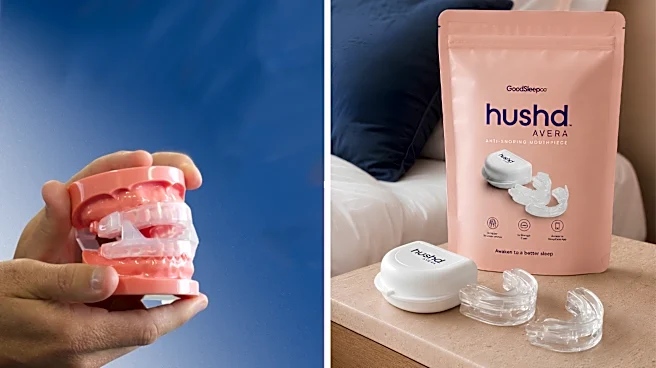
Initial blood tests and testosterone treatments did not resolve his fatigue. A subsequent at-home sleep test revealed that his breathing was interrupted 26 times per hour, a result he initially doubted, leading him to request a second test which yielded similar findings. Dr. Breus, who had previously tested sleep lab equipment on himself, had not undergone a sleep study in three years. Despite not being overweight, taking care of himself, or waking up gasping, and his wife only occasionally mentioning heavy breathing, the diagnosis confirmed he had sleep apnea. Obstructive sleep apnea occurs when the airway repeatedly narrows or closes during sleep, causing brief awakenings to restore breathing, which disrupts restorative sleep. Dr. Breus has since adopted a CPAP machine for home use and an oral appliance for travel to manage his condition.
Why It's Important?
This personal experience from a leading sleep expert highlights the subtle and often overlooked nature of sleep apnea, even by those most knowledgeable about it. Dr. Breus's initial dismissal of his symptoms, despite his professional expertise, underscores how easily individuals, including healthcare professionals, can misinterpret or rationalize signs of the condition. This is particularly significant given that a recent survey indicated one in three U.S. adults with sleep apnea snored for five or more years before diagnosis, and only one in five suspected it was more than just snoring. The story emphasizes that factors like weight, age, and anatomy are contributors, but fatigue can be the sole indicator. The narrative also sheds light on the challenges of treatment adherence, with 52% of diagnosed but untreated adults stopping consistent treatment within six months, and 56% finding treatment as difficult as the condition itself. This personal account can encourage greater awareness and earlier diagnosis among the general public and medical community.
What's Next?
Following his diagnosis, Dr. Breus has integrated treatment into his daily life, using a CPAP machine at home and an oral appliance while traveling. He reports improved energy levels and a significant increase in his heart rate variability, indicating better adaptability of his body. This personal journey is expected to influence his professional practice, offering him a deeper understanding of the patient experience, including the fear of diagnosis and the challenges of adjusting to treatment. His advocacy for discussing symptoms like changes in energy, consistent tiredness, or observed snoring with a doctor is likely to intensify. The broader implication is a potential increase in public awareness campaigns and medical recommendations for at-home sleep tests, especially for individuals experiencing unexplained fatigue. This could lead to earlier diagnoses and interventions, improving the quality of life for many undiagnosed individuals.
Beyond the Headlines
Dr. Breus's experience transcends a simple medical diagnosis; it offers a profound insight into the human tendency to rationalize symptoms, even when equipped with expert knowledge. This case highlights the psychological barriers to self-diagnosis and treatment acceptance, revealing that professional understanding does not always translate into personal compliance or immediate acceptance. The story also subtly critiques the healthcare system's approach to sleep disorders, where symptoms might be attributed to other causes before sleep apnea is considered. It underscores the importance of patient-centered care, where treatment plans must be adaptable to an individual's lifestyle to ensure consistency. Furthermore, it emphasizes that healthy lifestyle habits, while crucial, do not guarantee immunity from conditions like sleep apnea, reinforcing the need for vigilance and professional evaluation when symptoms arise. This narrative could foster a more empathetic and holistic approach to sleep medicine, acknowledging both the physiological and psychological aspects of the patient journey.