
What's Happening?
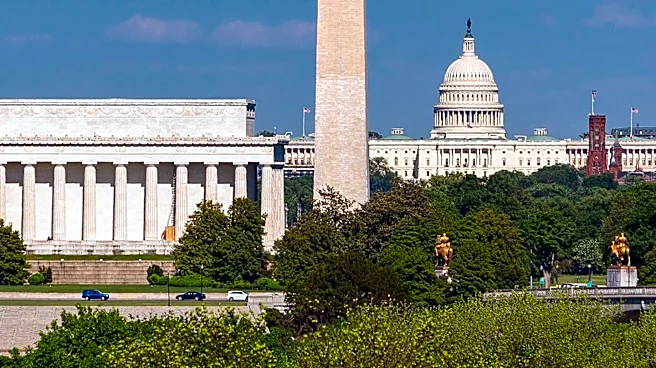
Airbnb is actively promoting and expanding its 'Experiences' offerings in the United States, particularly highlighting a diverse range of activities in Washington D.C. These experiences, hosted by local
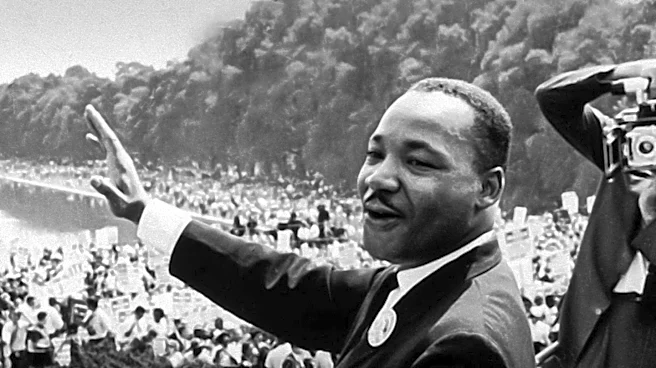
experts, include guided tours of iconic monuments such as the National Mall, Capitol Hill, the Supreme Court, and Arlington National Cemetery. Specific tours mentioned are a Small Group Night Tour of DC's National Mall, a Small Group Capitol Hill Tour with Reserved Entry, and a DC After Dark: Monuments by Electric Cruiser. Other offerings include a guided walking tour of Arlington National Cemetery, a 'See DC In A Day' National Mall Tour, and specialized tours like 'The Exorcist Experience' and 'Black History on Pennsylvania Ave with a Historian.' These experiences aim to provide guests with unique ways to connect with communities and explore historical and cultural sites, often including exclusive access or specialized commentary from local guides. The platform emphasizes highly-rated experiences, with many boasting average ratings of 4.8 or higher out of 5 stars.
Why It's Important?
The expansion of Airbnb's 'Experiences' in major U.S. cities like Washington D.C. signifies a strategic move to diversify its offerings beyond traditional accommodation. This initiative directly impacts the U.S. tourism industry by providing travelers with more localized and immersive options, potentially drawing more visitors to historical and cultural sites. For local economies, it creates opportunities for residents to monetize their expertise as tour guides and cultural interpreters, fostering small businesses and entrepreneurship. The focus on highly-rated experiences also sets a standard for quality and authenticity, which can enhance the overall reputation of U.S. tourism. Furthermore, by offering specialized tours like those focusing on Black history or specific cultural narratives, Airbnb contributes to a more inclusive and educational tourism landscape, allowing visitors to engage with the rich and complex history of the United States in a meaningful way. This trend could also influence how other travel platforms develop their experiential offerings, pushing for more unique and locally-driven activities.
What's Next?
Given the current focus on expanding 'Experiences,' Airbnb is likely to continue investing in and promoting these localized activities across other major U.S. cities. We can anticipate further development of unique tours and cultural immersions, potentially in partnership with local historical societies, museums, and community organizations. The platform may also introduce new features to enhance the booking and participation experience for guests and hosts, such as improved personalization or more robust review systems. There could be an increased emphasis on sustainability and responsible tourism within these experiences, aligning with growing consumer demand for ethical travel options. Additionally, as the 'Experiences' segment grows, Airbnb might face increased competition from traditional tour operators and other online travel agencies, potentially leading to further innovation in pricing, package deals, and exclusive access opportunities to maintain its competitive edge in the U.S. market.
Beyond the Headlines
The growth of Airbnb 'Experiences' in the U.S. reflects a broader shift in consumer preferences towards experiential travel over traditional sightseeing. This trend has significant cultural implications, as it encourages a deeper engagement with local communities and narratives, moving beyond superficial tourist interactions. By empowering local experts to share their knowledge and passions, Airbnb is fostering a more authentic and personalized form of tourism, which can lead to a greater appreciation for diverse cultural heritage and local economies. However, it also raises questions about the potential for commercialization of cultural experiences and the need to ensure that these offerings genuinely benefit local communities and preserve the integrity of historical sites. The platform's role in curating and promoting these experiences positions it as a significant influencer in shaping how both domestic and international tourists perceive and interact with U.S. history and culture, highlighting the importance of responsible and ethical curation.