




What's Happening?
Baltimore has implemented ID checkpoints in the Fells Point entertainment district, a move criticized by legal experts as unconstitutional. The checkpoints, operated by private security hired by the Baltimore Development Corporation, aim to control foot
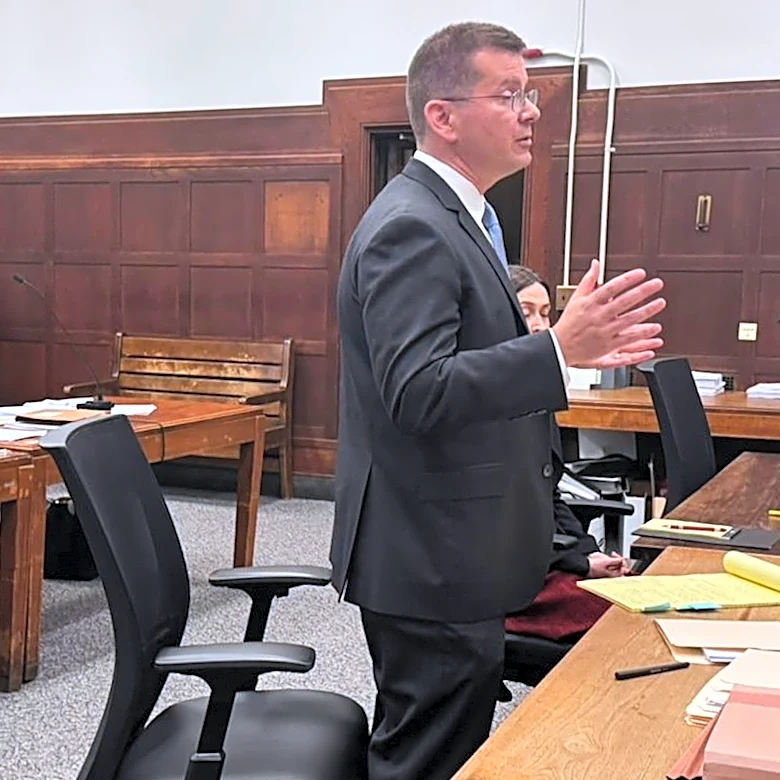
traffic and enforce a curfew on weekends. Civil rights attorney Cary Hansel argues that this policy sidesteps constitutional rights, as the government cannot collaborate with private entities to deny rights it cannot deny itself. Todd Pugh, co-chair of the Fourth Amendment Committee for the National Association of Criminal Defense Lawyers, also criticized the checkpoints, stating that public sidewalks cannot be treated like private venues requiring tickets. The city claims the policy is narrowly tailored to address underage drinking and illegal activities, but critics argue it unfairly targets young people and violates constitutional protections.
Why It's Important?
The implementation of ID checkpoints in public areas raises significant constitutional concerns, particularly regarding the Fourth Amendment, which protects against unreasonable searches and seizures. This policy could set a precedent for other cities considering similar measures to control public spaces, potentially leading to widespread civil liberties challenges. The controversy highlights the tension between public safety measures and individual rights, with implications for how cities manage nightlife and public order. The policy's focus on young people also raises questions about discrimination and the equitable treatment of different demographic groups in public policy.
What's Next?
The city may face legal challenges if the policy is deemed to violate constitutional rights. Civil rights groups and legal experts could pursue litigation to halt the checkpoints, potentially leading to a court ruling on the matter. The outcome could influence similar policies in other cities, shaping the balance between public safety and civil liberties. Public response and media coverage may also pressure city officials to reconsider or modify the policy to address constitutional concerns.