
What's Happening?
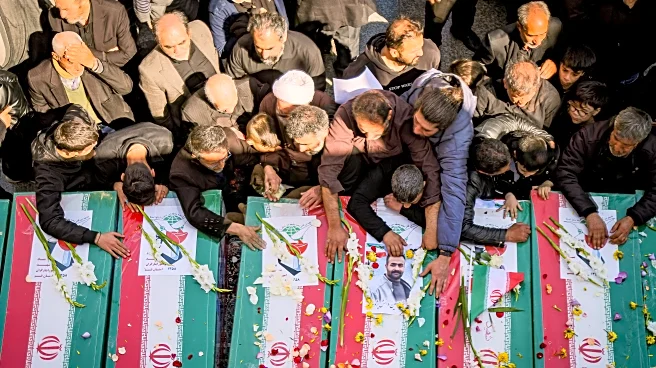
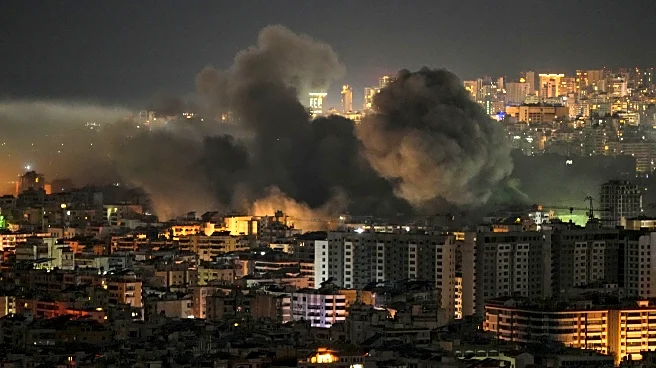
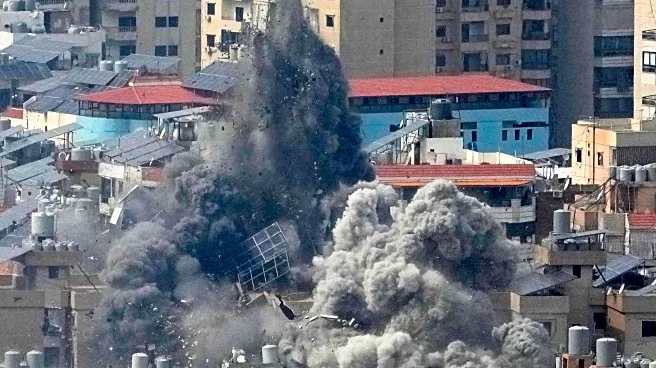
An editorial from the Chicago Tribune questions the clarity of the U.S. rationale for military actions in Iran, contrasting it with Israel's clear security-driven motives. The editorial highlights Israel's concerns over Iran's nuclear activities and its
support for proxies like Hezbollah. While Israel's actions are seen as a response to a perceived nuclear threat, the U.S. involvement under President Trump is viewed as lacking a clear strategy. The editorial raises concerns about the potential consequences of the conflict, including rising oil prices, market instability, and the risk of further military entanglements.
Why It's Important?
The editorial reflects broader concerns about the U.S. administration's approach to foreign policy and military engagement in the Middle East. It underscores the need for a coherent strategy that aligns with American interests and addresses the complexities of regional dynamics. The lack of a clear rationale for U.S. actions could impact public support and political discourse, influencing future policy decisions. The situation also highlights the potential for unintended consequences, such as economic disruptions and geopolitical shifts, that could affect both domestic and international stakeholders.
Beyond the Headlines
The editorial suggests that the U.S. involvement in Iran may lead to long-term geopolitical shifts, including changes in alliances and power dynamics in the Middle East. It raises ethical questions about the use of military force and the responsibility to protect civilian populations. The potential for a prolonged conflict could strain U.S. military resources and impact global perceptions of American foreign policy. The editorial calls for a more transparent and strategic approach to addressing the challenges posed by Iran and its regional influence.