
What's Happening?
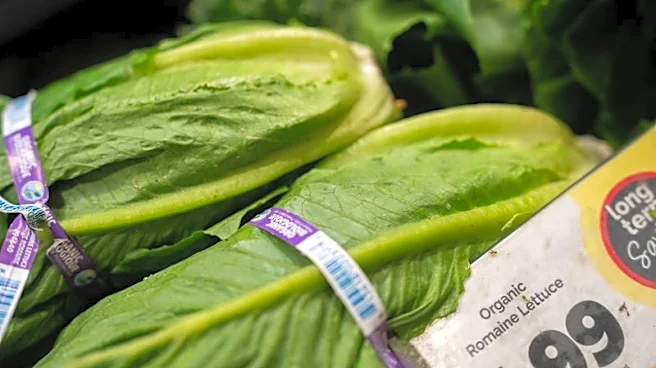
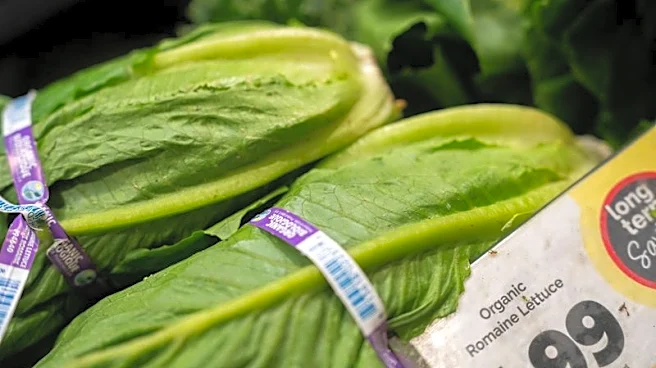
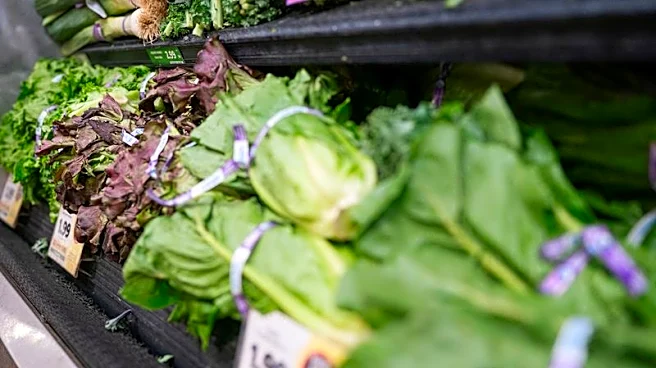
The Michigan Department of Health and Human Services (MDHHS) has announced that it is now safe for residents to consume lettuce and salad greens, following a significant decline in cyclosporiasis cases. Since June, Michigan has reported nearly 12,500
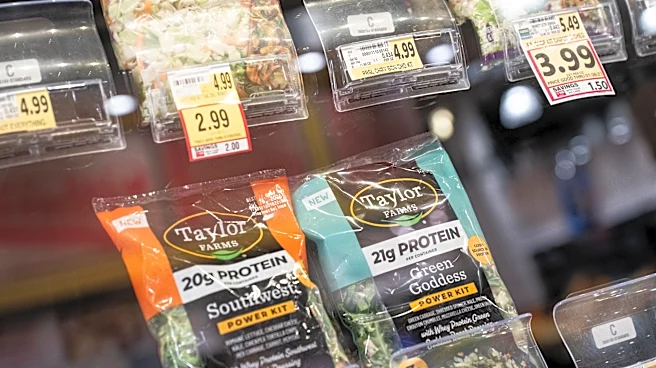
cases of the illness, which is linked to contaminated shredded iceberg lettuce supplied by Taylor Farms to Taco Bell. The outbreak affected 15 states, but recent data indicates a downward trend in cases and related emergency room visits. Dr. Natasha Bagdasarian, MDHHS's chief medical executive, emphasized the department's commitment to providing timely and transparent information. Although the majority of contaminated produce is believed to be no longer available, the MDHHS advises continued caution with recalled lettuce. The department will keep monitoring the situation and provide updates if necessary.
Why It's Important?
The decline in cyclosporiasis cases is a significant development for public health in Michigan and the affected states. The outbreak had raised concerns about food safety and the supply chain, particularly regarding produce imported from central Mexico. The MDHHS's updated guidance reflects improved safety conditions, which could restore consumer confidence in purchasing and consuming lettuce and salad greens. This development is crucial for the agricultural and food service industries, which may have experienced disruptions due to the outbreak. Additionally, the situation underscores the importance of effective communication and rapid response by health authorities in managing foodborne illnesses.
What's Next?
Health officials will continue to monitor the situation closely to ensure that any new cases are promptly identified and managed. The MDHHS will provide further updates if additional contaminated products are discovered or if the situation changes. Consumers are advised to stay informed about food safety recommendations and to follow any new guidance issued by health authorities. The incident may also prompt a review of food safety protocols and supply chain practices to prevent future outbreaks.