






What's Happening?
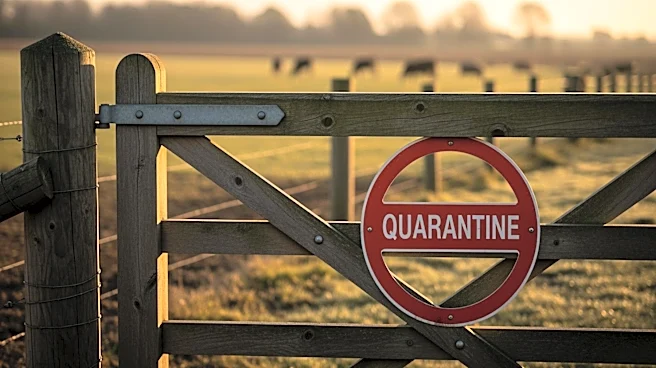
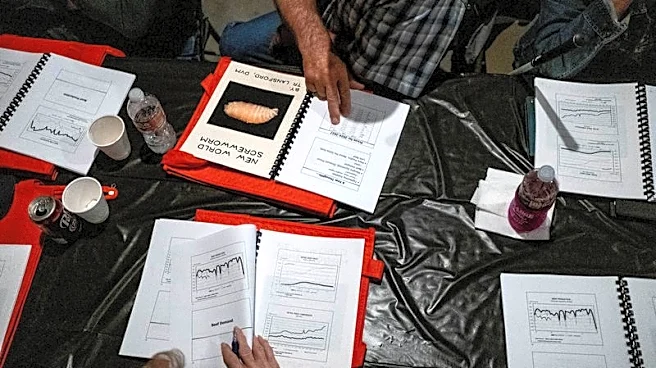
The discovery of New World screwworms in Texas has raised significant concerns about their potential impact on the U.S. agriculture industry. These parasites, which lay eggs in the wounds of warm-blooded animals, pose a severe threat to livestock, particularly
cattle. The larvae burrow into the host, causing severe damage and potentially leading to death. In response, the state of Oklahoma has implemented a plan focusing on surveillance and education to track and manage the spread of screwworms. The Oklahoma legislature had previously anticipated this threat, holding discussions on potential responses over a year ago.
Why It's Important?
The spread of screwworms could have devastating effects on the agriculture sector, particularly in states with large cattle industries like Oklahoma. The economic implications are significant, as states like California have already restricted imports from affected areas. This situation underscores the importance of proactive measures and inter-state cooperation to prevent widespread agricultural damage. The potential for human infections, although currently low, adds another layer of concern, highlighting the need for comprehensive monitoring and response strategies.
What's Next?
Oklahoma and other states will continue to monitor the situation closely, with ongoing efforts to educate ranchers and implement preventive measures. The federal government may also become more involved if the threat escalates. Additionally, the situation could lead to legislative actions aimed at strengthening agricultural biosecurity and response capabilities. The development of prediction markets around screwworm cases indicates growing public and economic interest in the issue, which could influence future policy decisions.