





What's Happening?
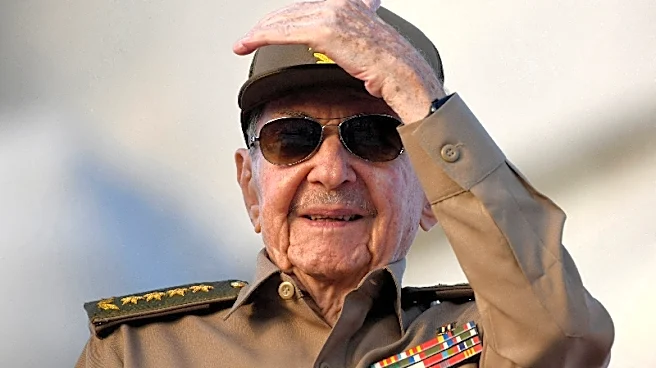
The United States is taking steps to indict Raúl Castro, the former Cuban president, for his alleged role in the 1996 shootdown of two planes operated by Brothers to the Rescue. This humanitarian group was patrolling the Florida Straits to assist Cuban rafters.
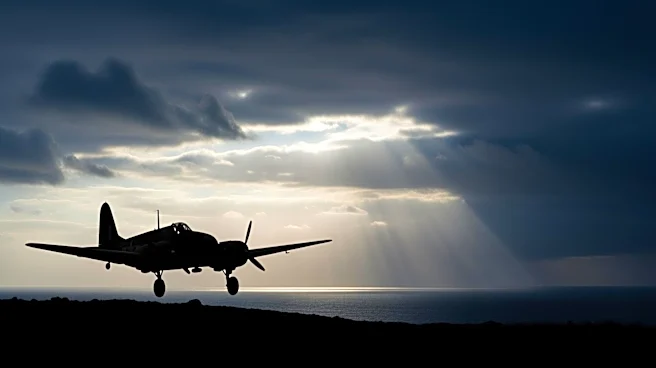
The planes were shot down by Cuban Air Force jets, leading to the deaths of four individuals. The indictment, which requires grand jury approval, is part of a broader U.S. strategy to pressure Cuba into making political and societal reforms. The Trump administration has intensified sanctions against Cuba, particularly targeting oil supplies, to exacerbate the island's energy crisis and push for change.
Why It's Important?
The indictment of Raúl Castro could have significant implications for U.S.-Cuba relations, which have been fraught since the 1996 incident. It highlights the U.S. government's commitment to seeking justice for actions against American citizens and humanitarian efforts. The move could further isolate Cuba internationally and economically, as the U.S. continues to apply pressure through sanctions. Domestically, this action aligns with the Trump administration's hardline stance on Cuba, potentially influencing Cuban-American voters and shaping U.S. foreign policy in the region.
What's Next?
Should the indictment proceed, it could lead to heightened diplomatic tensions between the U.S. and Cuba. The Cuban government may retaliate with its own measures, affecting bilateral cooperation on issues like migration and drug trafficking. The U.S. may also face international scrutiny over its approach to Cuba, especially from countries advocating for improved relations with Havana. The situation could evolve based on Cuba's response to U.S. demands for economic and political reforms.