



What's Happening?
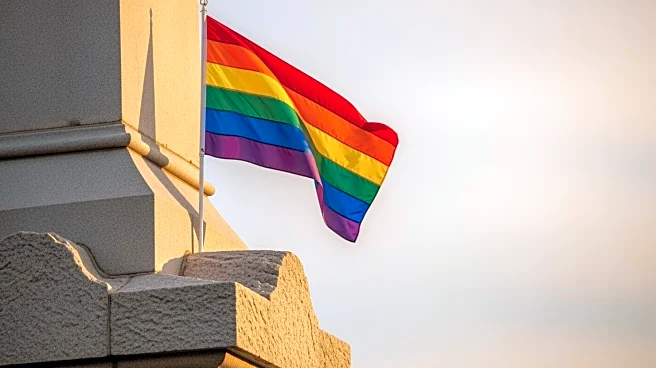
The Pride flag was reinstalled at the Stonewall National Monument on Thursday after being removed earlier in the week by order of the federal government. The removal was carried out by National Park Service staff, but the flag's return signifies a defiance
against the federal directive. The Stonewall National Monument, located in New York City, is a significant site in LGBTQ+ history, marking the location of the 1969 Stonewall riots, which were pivotal in the fight for LGBTQ+ rights. The reinstallation of the flag underscores the ongoing struggle for recognition and rights within the LGBTQ+ community.
Why It's Important?
The reinstallation of the Pride flag at the Stonewall National Monument is a symbolic act of resistance against federal actions perceived as undermining LGBTQ+ visibility and rights. This event highlights the tension between federal policies and local or community values, particularly in areas with historical significance to marginalized groups. The Stonewall riots are a cornerstone of LGBTQ+ history, and the monument serves as a reminder of the ongoing fight for equality. The flag's presence is not just a symbol of pride but also a statement of resilience and a call for continued advocacy for LGBTQ+ rights.
What's Next?
The reinstallation of the Pride flag may prompt further discussions and actions regarding federal policies on LGBTQ+ symbols and rights. It could lead to increased advocacy efforts from LGBTQ+ organizations and allies, aiming to ensure that such symbols remain in place at significant historical sites. Additionally, this act might influence future decisions by the National Park Service and other federal entities regarding the display of symbols representing marginalized communities. The situation could also spark broader debates about the role of federal authority in local matters, especially those involving cultural and historical significance.