





What's Happening?
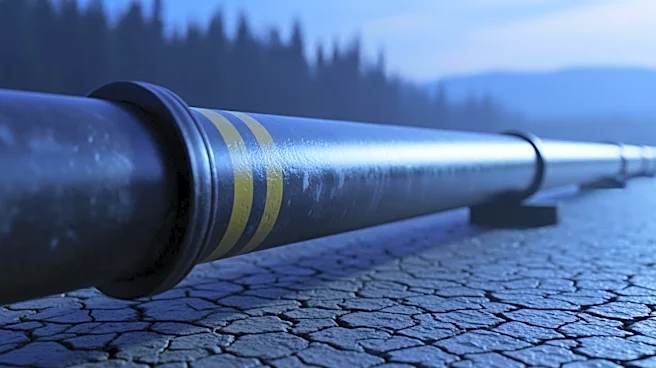
Two backpacks containing explosives were discovered near a gas pipeline in Serbia, close to the Hungarian border. This pipeline is a critical conduit for Russian gas supplies to the region. Serbian President Aleksandar Vucic announced the discovery, noting
that the explosives were found just a few hundred meters from the pipeline in Kanjiza, northern Serbia. The incident has prompted heightened security measures, including roadblocks and aerial surveillance. Hungarian Prime Minister Viktor Orban, who is currently engaged in an election campaign, has been informed of the situation. The discovery has sparked a series of accusations, with Hungarian officials suggesting Ukrainian involvement, a claim that Ukraine has denied. The situation is further complicated by the geopolitical tensions surrounding energy supplies in Europe, particularly in light of Hungary's reliance on Russian energy and its contentious relationship with the European Union.
Why It's Important?
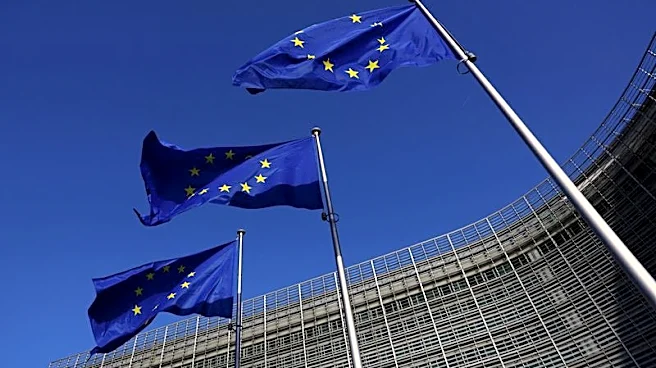
The discovery of explosives near a major gas pipeline underscores the vulnerabilities in Europe's energy infrastructure, particularly in regions heavily reliant on Russian energy. This incident could exacerbate existing tensions between Hungary and the European Union, as Hungary has been criticized for its close ties with Russia. The situation also highlights the broader geopolitical struggle over energy supplies in Europe, with potential implications for energy security and political alliances. The accusations against Ukraine, if proven unfounded, could strain relations further and impact regional stability. Additionally, the timing of the discovery, amid Hungary's election campaign, could influence domestic politics and voter sentiment.
What's Next?
The immediate next steps involve a thorough investigation by Serbian and Hungarian authorities to determine the origin and intent behind the explosives. Hungarian Prime Minister Viktor Orban has called for an emergency defense council meeting to address the security threat. The outcome of these investigations could influence Hungary's foreign policy stance, particularly its relations with Ukraine and the European Union. The incident may also prompt discussions within the EU regarding energy security and the need for diversified energy sources. As the situation develops, international responses and potential diplomatic engagements will be crucial in managing the fallout and ensuring regional stability.