







What's Happening?
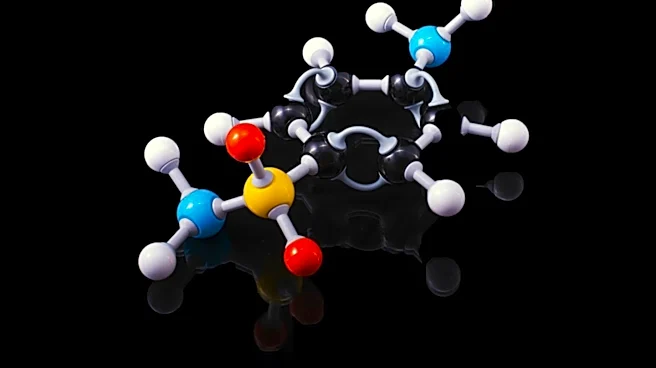
Dapsone, a medication used for treating acne and dermatitis herpetiformis, requires careful monitoring due to potential drug interactions and side effects. Patients must be screened for G6PD deficiency before starting oral dapsone to prevent hemolytic
anemia. The medication can interact with drugs like trimethoprim and rifampin, which can lead to serious conditions such as methemoglobinemia. Topical dapsone, marketed as Aczone gel, can cause harmless skin discoloration when used with benzoyl peroxide. Patients are advised to avoid alcohol-based toners and harsh exfoliants to prevent irritation. Sun exposure should be minimized due to photosensitivity risks associated with oral dapsone.
Why It's Important?
The importance of monitoring dapsone use lies in its potential to cause severe side effects and interactions with other medications. Hemolytic anemia and methemoglobinemia are life-threatening conditions that can arise if proper precautions are not taken. The interaction with common medications like trimethoprim and rifampin highlights the need for thorough medication reviews. Additionally, the risk of photosensitivity and skin reactions necessitates patient education on sun protection and skincare routines. Understanding these risks ensures patient safety and maximizes the therapeutic benefits of dapsone.
What's Next?
Patients using dapsone should have regular follow-ups with healthcare providers to monitor for side effects and adjust treatment as necessary. Education on recognizing early signs of serious conditions like methemoglobinemia is crucial. Healthcare providers may need to adjust dosages or recommend alternative treatments based on individual patient needs and responses. Ongoing research into dapsone's interactions and side effects may lead to updated guidelines and recommendations for its use.