
What's Happening?
Bangladesh is currently dealing with a suspected measles outbreak that has reportedly resulted in the deaths of at least 98 children over the past three weeks. Official data indicates that the number of children aged
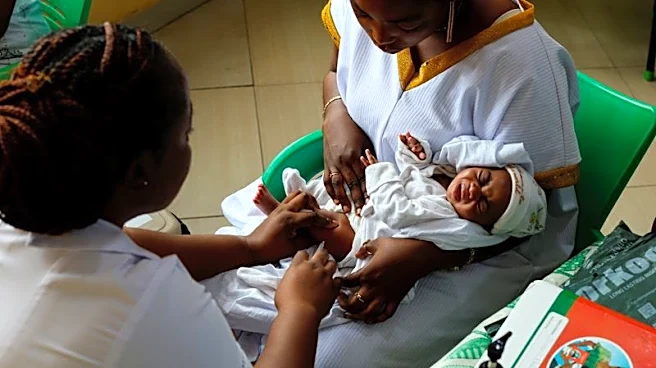
between six months and five years showing symptoms of measles has surged to 6,476. The outbreak has prompted the government to intensify vaccination efforts, particularly in the most affected areas. Health officials have noted that the number of suspected cases is higher than in previous years, with a significant increase in both cases and fatalities. The outbreak is attributed to several factors, including a shortage of vaccines. Despite advancements in vaccination programs, a planned measles vaccination drive was delayed due to political unrest in 2024. The government is now focusing on vaccinating the worst-affected regions to curb the spread of the disease.
Why It's Important?
The outbreak in Bangladesh highlights the critical importance of maintaining robust vaccination programs to prevent the spread of highly contagious diseases like measles. The situation underscores the vulnerability of public health systems to disruptions, such as political instability, which can delay essential health interventions. The outbreak poses a significant public health challenge, particularly for young children who are most at risk of severe complications from measles. The global health community, including organizations like the World Health Organization, emphasizes the need for comprehensive vaccination coverage to prevent outbreaks and reduce mortality rates. The situation in Bangladesh serves as a reminder of the ongoing challenges in achieving global health targets, such as reducing measles cases to zero, and the need for sustained efforts to ensure vaccine availability and accessibility.
What's Next?
In response to the outbreak, Bangladesh has initiated a targeted vaccination campaign in the most affected areas, with plans to expand the program to other regions. Health officials are working to secure additional vaccine supplies to address the shortage and prevent further spread of the disease. The government is also likely to assess and strengthen its public health infrastructure to better respond to future outbreaks. International health organizations may offer support and resources to assist Bangladesh in managing the current crisis and improving its vaccination programs. The situation may prompt a reevaluation of public health strategies and policies to ensure that vaccination drives are not disrupted by political or logistical challenges in the future.