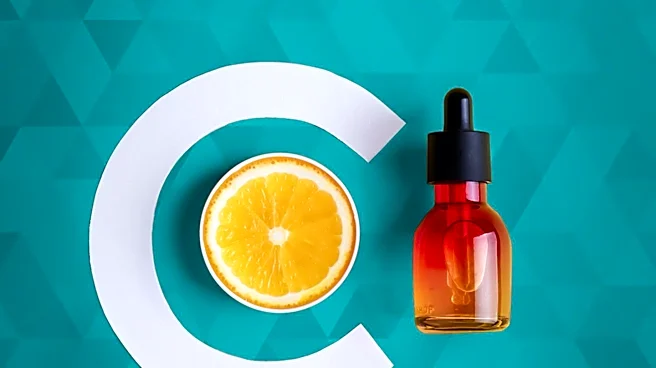






What's Happening?
Decades of scientific research have largely debunked the widespread belief that high-dose vitamin C can prevent the common cold, a notion popularized by Nobel laureate Linus Pauling in his 1970 book 'Vitamin C and the Common Cold.' Pauling, a renowned
American chemist who won Nobel Prizes in Chemistry (1954) and Peace (1962), advocated for daily intake of 1,000 to 2,000 milligrams of vitamin C for health and significantly more to prevent colds. His claims, however, were based on a single small clinical trial involving children at Swiss Alps ski camps and a limited number of studies with low sample counts and questionable quality. Academia immediately questioned his analysis, which also contained mathematical data errors. Subsequent large-scale clinical studies have consistently shown no evidence that megadoses of vitamin C prevent the general public from developing a cold. While some research indicates a slight reduction in the duration of severe cold symptoms (around 15%), this effect is only observed with consistent, regular intake and does not prevent the cold itself. Adding vitamin C after symptoms begin has no alleviating effect.
Why It's Important?
The enduring myth of vitamin C as a cold preventative, largely fueled by Linus Pauling's influential claims, has significant implications for public health and consumer behavior in the U.S. and globally. It has led to a widespread belief in the efficacy of vitamin C supplements for cold prevention, driving a multi-billion dollar industry. Consumers often spend money on high-dose supplements that offer little to no proven benefit for preventing colds, potentially diverting resources from more effective health strategies. Furthermore, continuous intake of high doses (exceeding 1,000 to 2,000 mg per day) can pose health risks, including gastrointestinal disturbances, kidney stones, organ damage, and drug interactions. Health authorities in various countries recommend much lower daily intakes for adults (e.g., 45 mg in Australia, 100 mg in Korea), which can easily be met through a balanced diet. This situation highlights the critical importance of evidence-based medicine and the potential for even highly respected scientific figures to inadvertently promote misinformation, impacting public health decisions and resource allocation.
What's Next?
Moving forward, continued public education campaigns are crucial to counter the persistent misconception about vitamin C's role in cold prevention. Healthcare providers and public health organizations will likely need to reinforce evidence-based recommendations for cold management, emphasizing basic hygiene practices like handwashing, adequate sleep, and a balanced diet over high-dose vitamin C supplementation. The supplement industry may face increasing scrutiny regarding the marketing claims for vitamin C products, particularly those implying cold prevention. Consumers are encouraged to consult with healthcare professionals regarding appropriate vitamin intake and to critically evaluate health claims, especially those lacking robust scientific backing. Research will continue to explore the nuanced roles of various nutrients in immune function, but the current consensus on vitamin C and cold prevention is unlikely to change significantly without compelling new evidence.
Beyond the Headlines
The story of Linus Pauling and vitamin C extends beyond simple medical efficacy; it delves into the complex interplay of scientific authority, public perception, and the commercialization of health. Pauling's Nobel Prize-winning status lent immense credibility to his claims, demonstrating how a respected figure can inadvertently shape public health narratives, even when their assertions are not fully supported by scientific consensus. This case also underscores the challenge of correcting deeply ingrained health beliefs, especially when they are reinforced by anecdotal evidence and aggressive marketing. It highlights the ethical responsibility of scientists and public figures to ensure their recommendations are rigorously evidence-based. Moreover, it reveals a broader societal tendency to seek 'magic bullet' solutions for common ailments, rather than focusing on holistic health practices. The enduring appeal of vitamin C for colds serves as a powerful reminder of the need for critical thinking and scientific literacy in navigating health information.