



What's Happening?
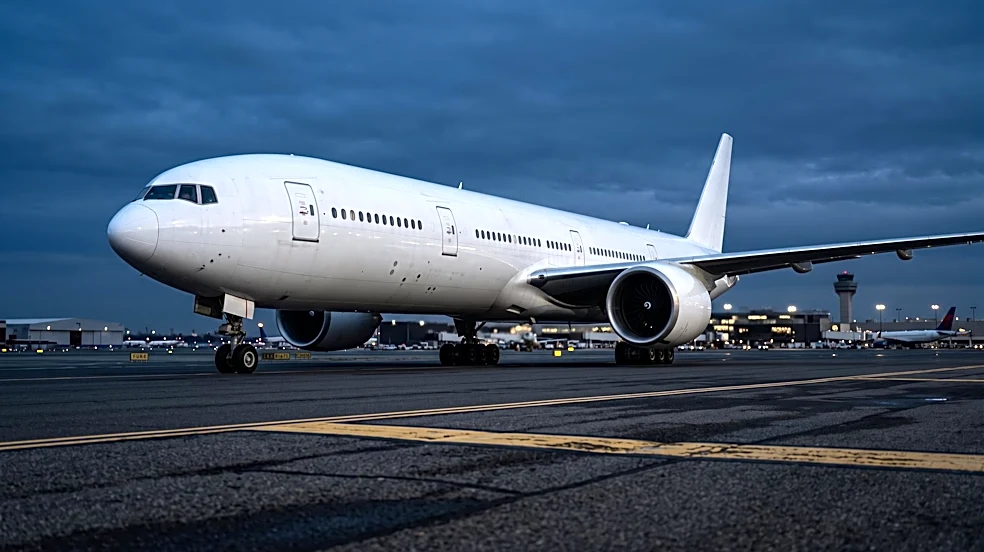
Newark Liberty International Airport (EWR) faced a ground stop on Friday night, preventing flights from taking off for the airport. The Federal Aviation Administration (FAA) implemented the ground stop, citing insufficient air traffic controllers to manage
incoming air traffic. The measure was in effect from 6:52 p.m. Eastern until 8:30 p.m., with the FAA's airport status page explicitly listing 'staffing' as the reason. This incident occurred on the same day the Transportation Department and the air traffic controllers' union finalized a 2.8% raise that had been pending since April. Despite the raise, the underlying issue of controller shortages remains unaddressed, as the agreement does not increase the number of available controllers. In addition to the ground stop, Newark experienced a separate delay program for arrivals, averaging 72 minutes, and departures were running approximately 75 minutes late, with delays increasing.
Why It's Important?
The ground stop at Newark Liberty International Airport highlights a critical and ongoing issue within the U.S. air travel system: the severe shortage of air traffic controllers. Newark, as a major international hub, is particularly vulnerable to such staffing deficiencies, which can cause significant ripple effects across the national air transportation network. When a busy airport like EWR experiences disruptions, it leads to widespread flight delays and cancellations, impacting millions of passengers, airlines, and the broader economy. The fact that this incident occurred on the day a raise for controllers was finalized underscores that financial incentives alone may not be sufficient to resolve the deep-seated staffing crisis. This situation can erode public confidence in air travel reliability and impose substantial economic costs through lost productivity and increased operational expenses for airlines.
What's Next?
While the immediate ground stop at Newark was lifted, the long-term implications of air traffic controller shortages are expected to persist. The recent 2.8% raise for controllers, while a positive step for morale, does not address the fundamental need for more personnel. Training new air traffic controllers is a lengthy process, often taking several years, meaning that immediate relief from staffing-related delays is unlikely. Stakeholders, including the FAA, airlines, and the Transportation Department, will likely face continued pressure to develop and implement more comprehensive strategies for recruitment and retention. Passengers should anticipate potential ongoing delays and disruptions at major hubs like Newark until significant progress is made in addressing the controller workforce deficit. Airlines may also need to adjust schedules or operational strategies to mitigate the impact of these staffing challenges.
Beyond the Headlines
The recurring issue of air traffic controller shortages at key U.S. airports like Newark points to a systemic vulnerability in the nation's air infrastructure. Beyond the immediate inconvenience of delays, this situation raises questions about national security and economic competitiveness. An understaffed air traffic control system can compromise safety margins and limit the capacity for growth in air travel, which is vital for business and tourism. The challenge extends beyond simply hiring more people; it involves modernizing training programs, improving working conditions, and ensuring competitive compensation to attract and retain a highly skilled workforce. The long-term solution requires a concerted effort from government agencies, educational institutions, and industry partners to build a robust pipeline of qualified controllers, ensuring the resilience and efficiency of U.S. air travel for decades to come.