


What's Happening?
The Hong Kong Art Week has highlighted significant changes in the global art market, reflecting a shift towards regionalization. Despite strong attendance and successful sales at Art Basel Hong Kong, the market is experiencing a slower sales tempo. High-value
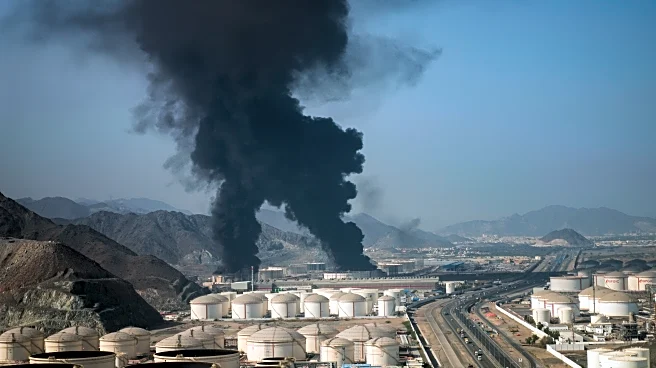
transactions, such as a $4 million Picasso and other multimillion-dollar artworks, were reported, but the process of closing deals has become more prolonged. This trend is attributed to a more considered approach by collectors. Additionally, the ongoing conflict in the Middle East has not yet significantly impacted global markets, except for rising oil prices, which are expected to increase shipping costs from Hong Kong by about 50%. This may lead to delays in finalizing sales or storing purchases until conditions improve. The art market's regional focus is further emphasized by declining auction sales in China and rising activity in other Asian and emerging markets.
Why It's Important?
The developments in Hong Kong's art market are indicative of broader global economic shifts. The regionalization of the art market suggests a decentralization of traditional art hubs, with emerging markets gaining prominence. This could lead to a redistribution of economic power within the art industry, affecting how and where art is bought and sold. The increase in shipping costs due to geopolitical tensions highlights the interconnectedness of global markets and the potential for external factors to influence art trade dynamics. As Hong Kong adapts to these changes, its efforts to remain competitive, such as tax incentives for asset managers, reflect a strategic response to maintain its status as a key financial and cultural center.
What's Next?
Hong Kong's government is actively working to enhance its financial appeal by introducing tax incentives for asset managers, aiming to compete with other financial hubs like Dubai and Abu Dhabi. This move is part of a broader strategy to attract and retain business in the face of shifting global dynamics. The art market is expected to continue its recovery, albeit under new conditions that emphasize slower buying and increased costs. As regional centers vie for dominance, the art market's landscape will likely continue to evolve, with potential opportunities arising from geopolitical shifts. Stakeholders in the art industry will need to adapt to these changes to capitalize on emerging trends.
Beyond the Headlines
The shift towards regionalization in the art market may have long-term implications for cultural exchange and the distribution of artistic influence. As new markets emerge, there could be a diversification of artistic styles and narratives, enriching the global art scene. However, this fragmentation also poses challenges, such as the potential for increased competition and the need for artists and galleries to navigate a more complex market landscape. The emphasis on financial incentives and strategic positioning by cities like Hong Kong underscores the growing importance of economic policies in shaping cultural industries.