



What's Happening?
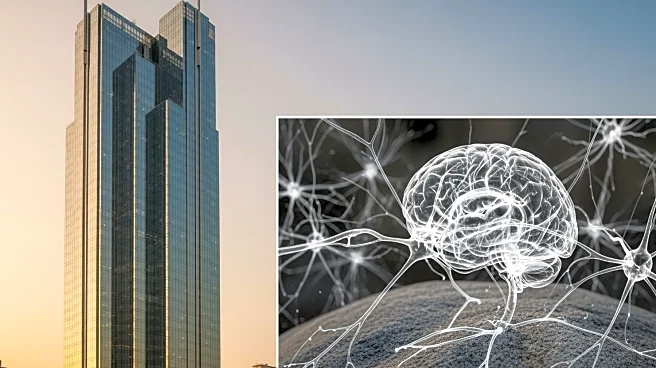
Free-solo climber Alex Honnold is preparing to climb Taipei 101, one of the world's tallest skyscrapers, without ropes or safety nets. This event has reignited interest in a 2016 study that examined Honnold's brain using functional MRI (fMRI) scans. The
study, conducted by Dr. Jane Joseph, revealed that Honnold's amygdala, a brain region involved in fear processing, shows less activation compared to others when exposed to fear-inducing stimuli. This suggests that Honnold may experience fear differently, possibly due to a highly developed regulatory system in his brain. The climb, set to be livestreamed on Netflix, will take place on Saturday local time, or Friday evening in the U.S.
Why It's Important?
Honnold's ability to undertake such dangerous climbs without apparent fear challenges conventional understanding of human fear responses. His unique brain function could provide insights into how fear is processed and regulated, potentially influencing fields such as neuroscience and psychology. The event also highlights the human capacity for adaptation and resilience, as Honnold attributes his fear management to extensive exposure and experience. This climb not only showcases human physical and mental limits but also serves as a significant cultural event, drawing global attention to the sport of free solo climbing.
What's Next?
The climb will be broadcast live, allowing a global audience to witness this unprecedented feat. The outcome of the climb could further influence public interest in extreme sports and potentially inspire new research into the neurological basis of fear and risk-taking. Depending on the success and safety of the event, it may also lead to increased media coverage and sponsorship opportunities for Honnold and the sport of climbing.