


What's Happening?
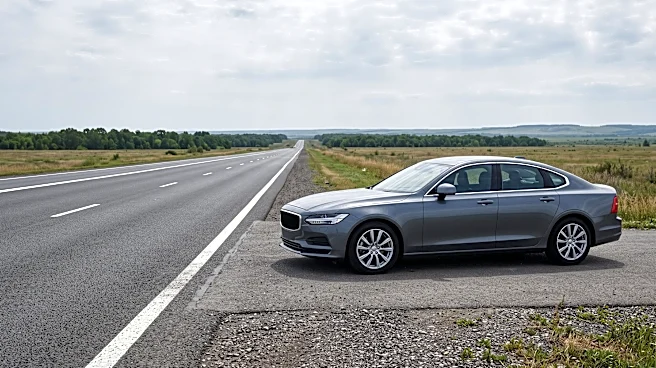
Tedrick Washington Jr., a former University of Tennessee at Chattanooga (UTC) basketball player, was arrested following a high-speed police pursuit in Blytheville, Arkansas. The incident, which occurred on August 19, involved an Infiniti sedan that was initially
clocked at 82 mph in a 60 mph zone and later accelerated to speeds of up to 130 mph during the chase. Dashcam video shows an Arkansas State Trooper, Theodore Henderson, breaking the vehicle's rear driver's-side window with a baton. Henderson then pulled Washington from the vehicle by his dreadlocks and punched him in the face. Washington, who was a passenger in the vehicle, was charged with obstruction of governmental operations and resisting arrest. The driver, Adonerus Johnson, was also arrested and faces multiple charges including felony fleeing, driving while intoxicated, and reckless driving. A third passenger complied with officers and was later released without charges. Washington has since bonded out of the Mississippi County Detention Center and posted on Facebook stating, 'Justice will be served I want my story be heard!!!'
Why It's Important?
This incident highlights critical issues surrounding police use of force and accountability, particularly in interactions involving individuals from marginalized communities. The dashcam footage, which has circulated widely on social media, has prompted public concern and calls for investigation into the trooper's actions. The city of Blytheville has released a statement acknowledging the troubling nature of the video and confirming cooperation with state authorities for a thorough review. This event could fuel ongoing national conversations about police reform, de-escalation tactics, and the appropriate use of force during arrests. For former athletes, such incidents can also bring unwanted public scrutiny and potentially impact their future prospects, regardless of the legal outcome. The case also underscores the legal complexities when passengers are involved in police pursuits initiated due to the driver's actions, raising questions about their culpability and treatment during apprehension.
What's Next?
State authorities are currently reviewing the incident involving Tedrick Washington Jr. and Trooper Theodore Henderson. The city of Blytheville has stated its full cooperation with this investigation. It is expected that the findings of this review will determine if the use of force by Trooper Henderson was within departmental policy and legal guidelines. Washington has publicly expressed his intent for his 'story to be heard,' suggesting potential legal action or further public advocacy regarding his arrest. The driver, Adonerus Johnson, will face charges related to the high-speed pursuit and driving offenses. The outcome of these legal proceedings, particularly regarding the use of force, could influence police training protocols and public trust in law enforcement in Arkansas and potentially beyond. Community reactions and calls for accountability are likely to continue as the investigation progresses.
Beyond the Headlines
The incident involving Tedrick Washington Jr. extends beyond a simple arrest, touching upon deeper societal issues of race, policing, and the perception of justice. The use of force, specifically pulling a suspect by their dreadlocks and punching them, raises questions about dignity and respect during law enforcement encounters, especially given the cultural significance of dreadlocks for many Black individuals. This event contributes to a broader narrative of alleged excessive force by law enforcement, which often disproportionately affects minority communities. The public dissemination of dashcam footage through social media plays a crucial role in shaping public opinion and demanding transparency from police departments. It also highlights the power of individual narratives, as Washington's Facebook post indicates a desire to share his experience and seek justice, potentially influencing public discourse on police accountability and civil rights.