

What's Happening?
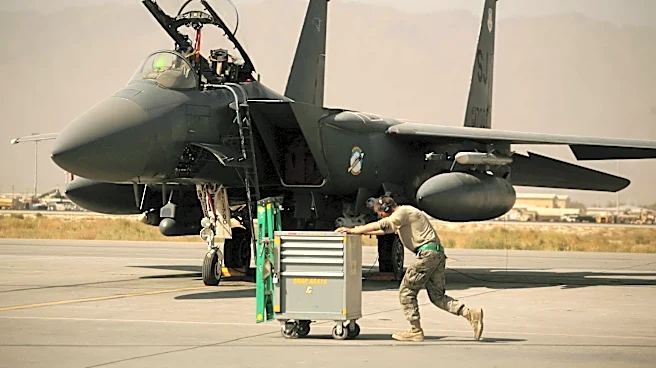
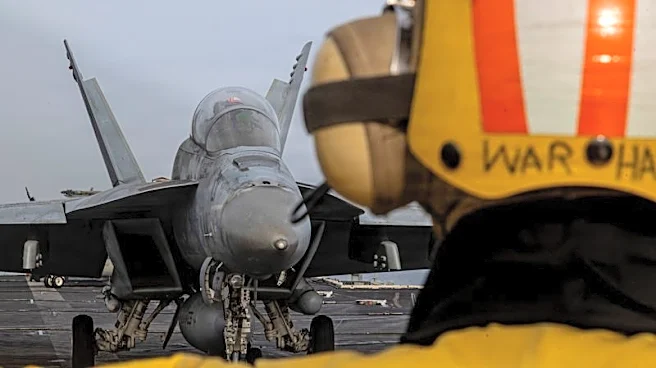
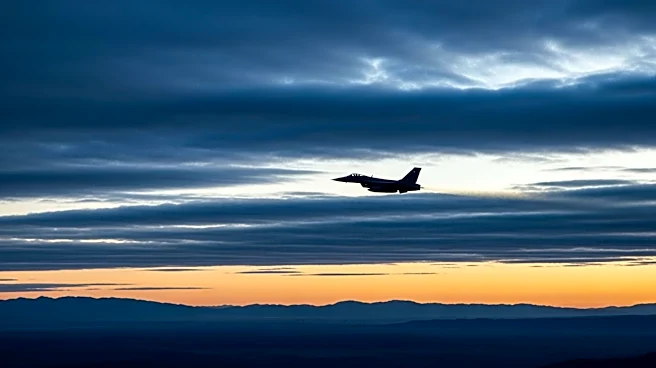
US special forces are engaged in a critical search operation for the navigator of an F-15E fighter jet that crashed in Iran's Zagros Mountains. The search is complicated by the rugged terrain and the presence of Iranian forces, who are also actively searching
for the navigator and have offered a cash reward for his capture. The US Air Force, responsible for personnel recovery in hostile territories, is deploying helicopters and fighter jets to aid in the search. The operation is taking place in a region known for its dense greenery and significant oil reserves, which adds complexity to the mission. President Trump has stated that the incident will not affect ongoing negotiations with Iran, although the situation remains tense as both nations vie to locate the navigator first.
Why It's Important?
The search for the downed navigator is significant due to its potential impact on US-Iran relations and military strategy. If Iran captures the navigator, it could leverage him in negotiations, potentially forcing the US to make concessions. The incident also highlights vulnerabilities in US military operations, as it comes shortly after claims of air superiority over Iran. The situation could escalate if the navigator is killed or captured, leading to increased pressure on President Trump to respond militarily. This operation underscores the complexities of combat search and rescue missions, which are among the most challenging military operations due to the need for coordination, medical care, and evasion tactics in hostile environments.
What's Next?
The immediate focus is on locating the navigator and ensuring his safe extraction. US forces may need to coordinate with local groups to enhance search efforts and prepare contingency plans. The situation could evolve rapidly, especially if Iran captures the navigator, which might lead to increased diplomatic tensions or military escalation. The US administration will need to carefully manage public perception and international relations, particularly if the search operation faces setbacks or if Iran uses the navigator as a bargaining chip in negotiations.
Beyond the Headlines
The incident raises broader questions about the effectiveness of US military strategy and the risks associated with operations in hostile territories. It also highlights the importance of combat search and rescue capabilities, which have evolved significantly since World War I. The operation could influence future military tactics and training, emphasizing the need for advanced preparation and coordination in complex environments. Additionally, the situation may impact US domestic politics, as public scrutiny over military actions and foreign policy decisions could intensify.