







What's Happening?
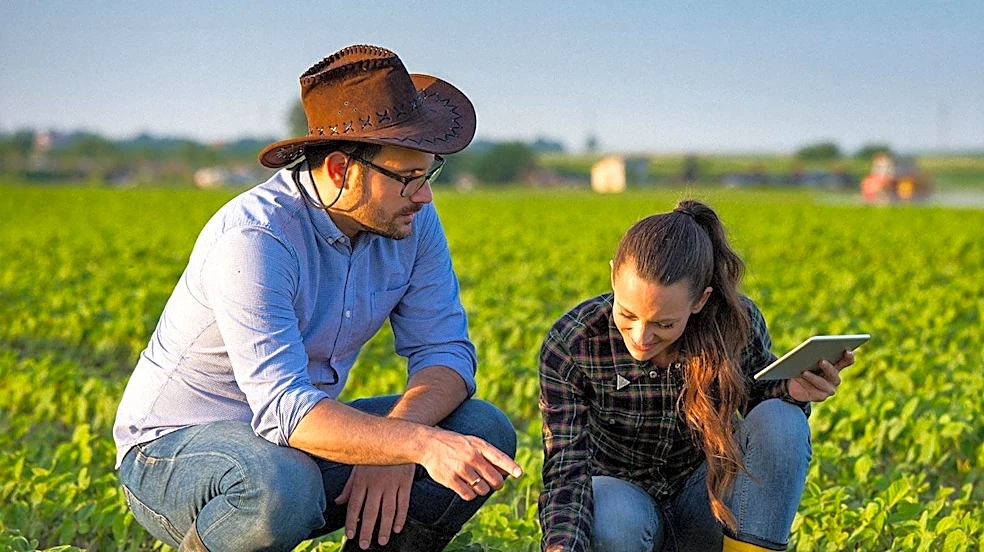
New research from the John Hutton Institute’s Centre for Sustainable Cropping (CSC) at Balruddery Farm near Dundee has demonstrated that incorporating field beans into cereal rotations can significantly reduce the environmental impact of spring barley
production. Scientists analyzed data from long-running trials, comparing spring barley grown after field beans with barley grown after barley. The study found that synthetic nitrogen fertilizer use for barley following beans was reduced by an average of 22kg/ha. Additionally, pesticide use, another major contributor to the environmental footprint of crops, was substantially lower after field beans. Across five two-year cropping periods, growing field beans before spring barley reduced the environmental impact of barley production in four of the five periods, with an average reduction of about 25% across the crop sequences. The research also indicated a potential productivity benefit, as spring barley following beans yielded an average of 1.2t/ha more than barley following barley in four of the five years examined.
Why It's Important?
This research holds significant implications for sustainable agricultural practices, particularly in regions like Scotland where spring barley is crucial for brewing, distilling, and livestock industries. The ability to reduce synthetic nitrogen fertilizer and pesticide use directly translates to lower greenhouse gas emissions and decreased environmental pollution. Nitrogen fertilizers are energy-intensive to produce and their application can lead to nitrous oxide emissions, a potent greenhouse gas. Reduced pesticide use lessens the risk of chemical runoff into water systems and protects biodiversity. The potential for increased barley yields, while not guaranteed in all conditions, offers an economic incentive for farmers to adopt these practices, aligning environmental benefits with agricultural productivity. This approach could contribute to more resilient and environmentally friendly food systems, addressing concerns about climate change and resource depletion within the agricultural sector.
What's Next?
The findings suggest that wider adoption of bean-barley sequences could lead to substantial greenhouse gas reductions. However, researchers caution that beans do not automatically guarantee higher yields, as weather conditions, particularly temperature and humidity, and the performance of the preceding bean crop, strongly influence the benefits to the subsequent cereal. Future efforts will likely focus on understanding these environmental variables more deeply to optimize the benefits of bean-barley rotations. This could involve developing more resilient bean varieties or refining cultivation practices to ensure consistent positive outcomes across varying climatic conditions. The study's relevance to Scotland's key industries indicates a potential for policy support or agricultural extension programs to encourage farmers to integrate these sustainable practices, aiming for both environmental stewardship and economic viability.
Beyond the Headlines
The study highlights a broader shift towards agroecological practices that leverage natural processes to enhance agricultural sustainability. By integrating legumes like field beans, which fix atmospheric nitrogen, farmers can reduce their reliance on synthetic inputs, fostering healthier soil ecosystems and reducing the overall carbon footprint of crop production. This approach moves beyond simply mitigating negative impacts to actively building more resilient and regenerative agricultural systems. The nuanced finding that weather conditions can influence yield benefits underscores the complexity of ecological farming and the need for adaptive management strategies. It also points to the importance of localized research and data analysis to tailor sustainable practices to specific regional contexts, ensuring that environmental benefits are realized without compromising food security or farmer livelihoods.