





What's Happening?
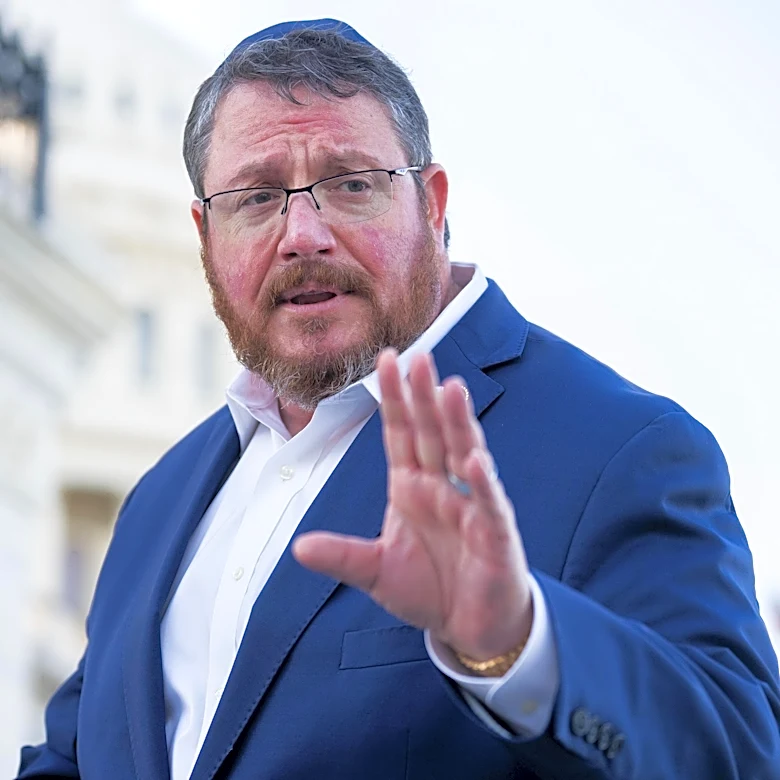
House Foreign Affairs Committee Chairman Brian Mast (R-FL) recently led a congressional delegation to Haiti to observe the on-the-ground conditions. During their visit, the delegation encountered severe instances of violence and instability. Representative
Mast reported on the rape of a 6-year-old U.S. citizen, who was held hostage by gangs for over six weeks, and whose release was reportedly secured through a ransom agreement paid by her family. He also detailed the brutal torture and murder of a heavy machinery operator who was assisting police. This individual's family was kidnapped, and he was killed after being offered in trade for their lives, with the act reportedly captured on video showing extreme mutilation. These accounts highlight the pervasive and extreme violence perpetrated by gangs in Haiti, where over 2,000 people have been killed, thousands raped, and nearly 1.5 million internally displaced this year alone. The U.S. State Department has issued a 'Do Not Travel' advisory for Haiti, citing risks of kidnapping, murder, and lack of essential services.
Why It's Important?
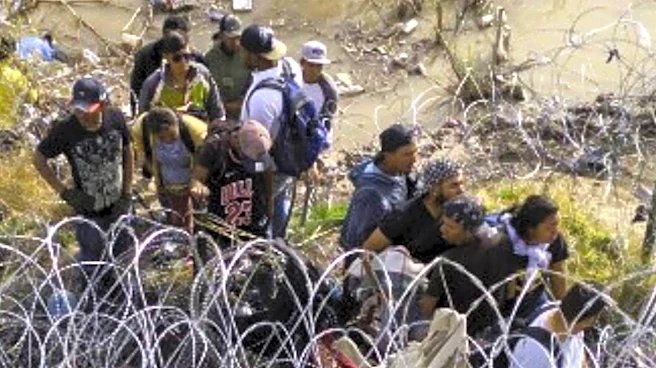
The firsthand accounts from Representative Mast's delegation underscore the profound humanitarian crisis and security vacuum in Haiti, which has significant implications for U.S. foreign policy and regional stability. The involvement of U.S. citizens in these violent incidents, such as the rape of a child and the need for ransom payments, directly impacts American consular services and the safety of its nationals abroad. The ongoing instability and gang violence contribute to a refugee crisis, potentially increasing migration pressures on the U.S. southern border. Furthermore, the dire situation in Haiti raises questions about the effectiveness of international aid and intervention strategies. The call for extending Temporary Protected Status (TPS) for Haitians in the U.S. is directly linked to these conditions, as proponents argue that returning individuals to such an environment would be inhumane and unsafe. The detailed reports of violence serve to inform legislative debates on immigration policy and foreign assistance, highlighting the urgent need for a comprehensive and effective approach to address the crisis.
What's Next?
A bill is currently pending in the U.S. Senate that aims to extend Temporary Protected Status (TPS) for Haitians until 2029. This legislation is a direct response to the ongoing humanitarian crisis and extreme violence in Haiti, as highlighted by Representative Mast's delegation. The Senate has the authority to amend this bill, potentially making the status permanent, which would offer long-term relief and stability for Haitian immigrants in the U.S. The U.S. State Department's 'Do Not Travel' advisory for Haiti remains in effect, advising U.S. citizens to prepare for extreme contingencies if they choose to travel there, including establishing proof of life protocols and designating a point of contact for kidnappers. The continued instability in Haiti will likely keep the issue of TPS and foreign aid at the forefront of congressional discussions, with potential for further legislative action and policy adjustments based on evolving conditions and reports from the ground.
Beyond the Headlines
The harrowing details reported by Representative Mast's delegation reveal a deeper crisis of governance and human rights in Haiti, extending beyond mere political instability to a breakdown of societal order. The graphic accounts of torture and murder, including the consumption of human body parts, signify a level of barbarity that challenges international norms and humanitarian principles. This situation raises critical ethical questions about the international community's responsibility to protect vulnerable populations and intervene in states where basic human dignity is systematically violated. The targeting of individuals perceived to have ransom money, including those deported from the U.S., highlights a complex interplay between economic desperation, criminal enterprise, and the vulnerability of returnees. The long-term psychological and social impact on the Haitian population, particularly children exposed to such violence, will be profound and enduring, necessitating extensive humanitarian and psychological support that extends far beyond immediate relief efforts. The crisis also underscores the limitations of traditional diplomatic and aid approaches in the face of entrenched gang control and widespread lawlessness.