



What's Happening?
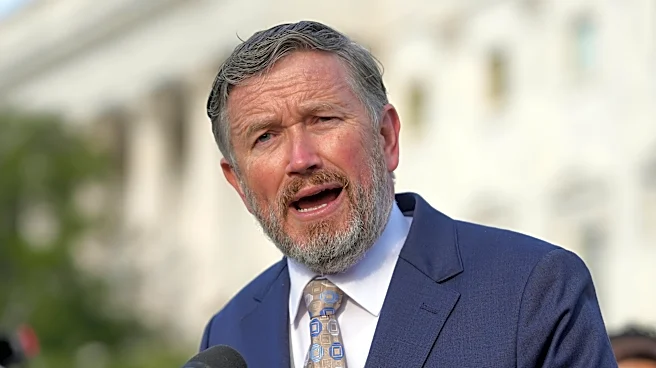
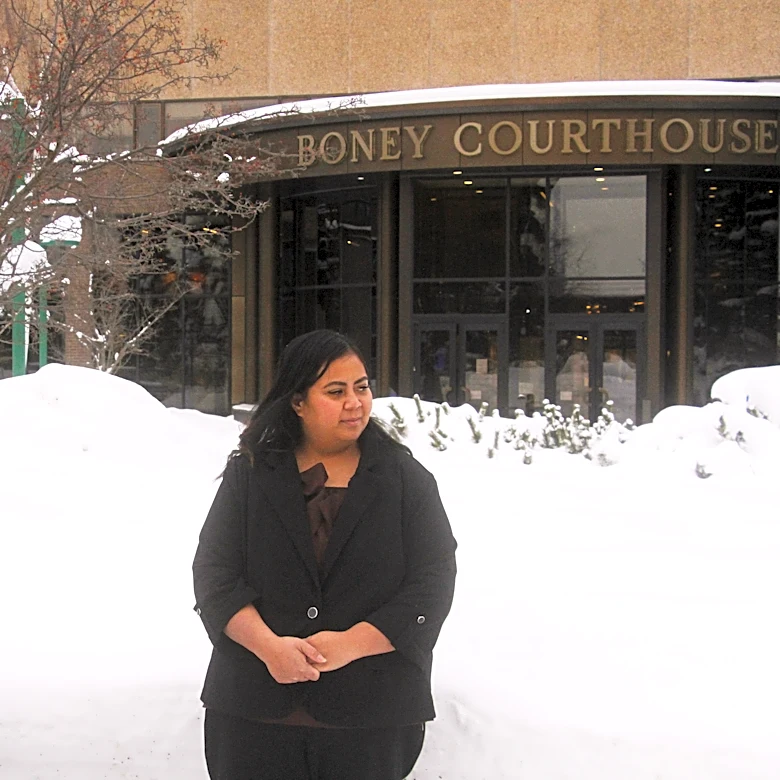
U.S. Representative Sarah Elfreth, a Democrat from Maryland's 3rd District and a member of the House Armed Services Committee, has voiced concerns regarding the current state of national security and the Trump administration's management of ongoing conflicts.
Elfreth, who was elected in 2024, noted that her position grants her access to sensitive information that sometimes causes her apprehension. She highlighted that the administration, led by President Trump and Defense Secretary Pete Hegseth, has been criticized for micromanaging the military, sidelining dissenting voices, and mishandling the war with Iran, which began in February of this year. According to Elfreth, these actions have exposed weaknesses in the military supply system and led to issues such as missile shortages, alleged lies about civilian casualties, attempts to silence journalists, and hidden damages. She emphasized that the President appeared unprepared for both initiating and concluding the conflict, leading to a situation where she often leaves briefings with more questions than answers. Her district includes the Naval Academy and Fort Meade, giving her a direct connection to military affairs.
Why It's Important?
The statements from Representative Elfreth underscore significant concerns about the effectiveness and transparency of the U.S. military and national security apparatus under the current administration. Her insights, coming from a member of the House Armed Services Committee, suggest potential vulnerabilities in defense strategies and operational integrity. The alleged micromanagement and suppression of critical feedback could lead to a less efficient and less accountable military, potentially jeopardizing national security interests. Furthermore, the reported mishandling of the conflict with Iran and the broader implications for the region could destabilize international relations and impact U.S. foreign policy objectives. The concerns about the administration's preparedness for conflict and its aftermath raise questions about the decision-making processes at the highest levels of government, which could have long-term consequences for the nation's defense posture and global standing. The focus on the 25th anniversary of 9/11 also brings into sharp relief the ongoing challenges of terrorism and national safety, making Elfreth's concerns particularly salient.
What's Next?
The concerns raised by Representative Elfreth could prompt increased scrutiny from Congress and the public regarding the Trump administration's defense policies and conduct of military operations. It is likely that other members of Congress, particularly those on relevant committees, may echo or further investigate these claims. This could lead to calls for more transparency, accountability, and potentially legislative actions aimed at reforming military oversight and decision-making processes. The ongoing conflict with Iran, which Elfreth described as poorly managed, may continue to be a focal point of debate and policy adjustments. Additionally, the discussion around national security and the lessons learned from events like 9/11 will likely continue, influencing future defense spending, intelligence gathering, and counter-terrorism strategies. The administration may face pressure to address the alleged shortcomings in its military leadership and operational execution, potentially impacting public trust and political dynamics.
Beyond the Headlines
Beyond the immediate political and military implications, Representative Elfreth's remarks touch upon deeper issues concerning the balance of power between the executive and legislative branches, particularly in matters of war and national security. The alleged sidelining of those who raise questions and attempts to silence journalists could indicate a broader trend of reduced transparency and accountability within government, which is critical for a functioning democracy. The shift in rhetoric from 'defense' to 'war' by the administration, as noted by the source, suggests a potential reorientation of national priorities and military doctrine, moving towards a more aggressive foreign policy stance. This could have profound ethical implications regarding the use of military force and the protection of human rights. The reliance on AI in modern warfare, as mentioned in the context of Fort Meade, also raises complex ethical and legal questions about autonomous weapons and their role in future conflicts, highlighting the evolving nature of national security challenges.