


What's Happening?
The House Oversight Committee has requested a transcribed interview with Tova Noel, one of the prison guards on duty at the Metropolitan Correctional Center in New York when Jeffrey Epstein died in August 2019. Noel, along with fellow guard Michael Thomas,
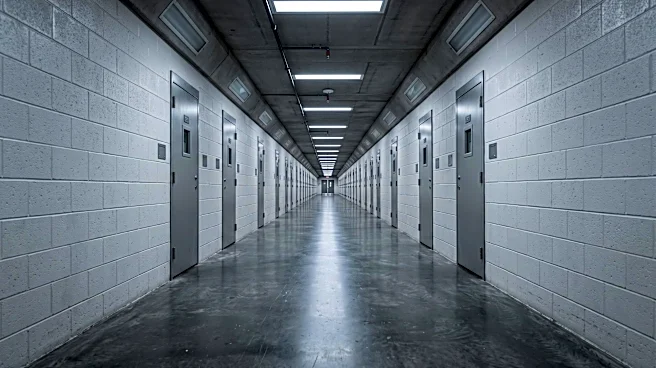
was charged in November 2019 with falsifying records to indicate they had completed required rounds of the Special Housing Unit, which they allegedly did not do. The indictment stated that Noel and Thomas spent significant portions of their shifts browsing the internet instead of monitoring prisoners. As a result, no count of prisoners in the Special Housing Unit was conducted for approximately eight hours before Epstein was found unresponsive in his cell. Although Noel and Thomas later reached a deal with prosecutors and their case was dropped in December 2021, the recent release of Epstein-related documents by the Justice Department has brought renewed attention to the circumstances surrounding his death. The committee's request for an interview with Noel is scheduled for March 26.
Why It's Important?
This development is important because it signifies a continued effort by a U.S. congressional committee to investigate the circumstances surrounding Jeffrey Epstein's death, which has been a subject of widespread public scrutiny and speculation. The committee's interest, particularly in light of the recently released Epstein files, suggests that questions about accountability and potential misconduct within the federal prison system remain. The previous charges against the guards, though dropped, highlighted significant lapses in protocol and supervision. The committee's stated lack of confidence that Epstein's death was solely by suicide underscores the ongoing public and political demand for transparency. This investigation could potentially lead to further reforms in federal correctional facilities, impact public trust in government institutions, and reignite discussions about the justice system's handling of high-profile inmates. The focus on Noel's past actions, including suspicious bank deposits and internet search history, indicates a thorough examination of all available evidence.
What's Next?
Tova Noel is requested to appear for a transcribed interview with the House Oversight Committee on March 26. This interview is expected to delve into her actions and observations during the period leading up to Epstein's death, as well as address new information that has emerged from the recently released Epstein files. Committee Chairman James Comer has indicated that while Noel is not being accused of wrongdoing, the committee has many questions regarding Epstein's death. Depending on the information gathered from Noel's testimony, the committee may decide to pursue further investigations, call additional witnesses, or recommend policy changes to the Bureau of Prisons. The outcome could influence public perception of the official narrative surrounding Epstein's death and potentially lead to legislative actions aimed at improving oversight and accountability within federal correctional facilities. The independent inquiry by the Justice Department's inspector general, completed in 2023, also remains a relevant point of reference for the committee's ongoing work.
Beyond the Headlines
Beyond the immediate investigation, this renewed focus on Epstein's death and the conduct of prison staff highlights deeper systemic issues within the U.S. correctional system. The alleged failures in supervision and record-keeping, even if not directly linked to foul play, point to vulnerabilities that could compromise the safety and security of inmates, as well as the integrity of the justice process. The public's persistent skepticism about Epstein's death underscores a broader crisis of trust in government institutions, particularly when high-profile individuals are involved. This situation also touches upon the ethical responsibilities of public servants and the mechanisms of accountability when those responsibilities are neglected. The committee's inquiry, by scrutinizing the details of this case, could inadvertently shed light on the challenges of maintaining transparency and preventing corruption or negligence within complex bureaucratic structures, potentially influencing future discussions on prison reform and oversight.