


What's Happening?
The Danish Defense Ministry has instructed its troops to engage immediately if Greenland is invaded, without waiting for direct orders. This directive, rooted in a Cold War-era rule, mandates soldiers to 'immediately take up the fight' against any foreign
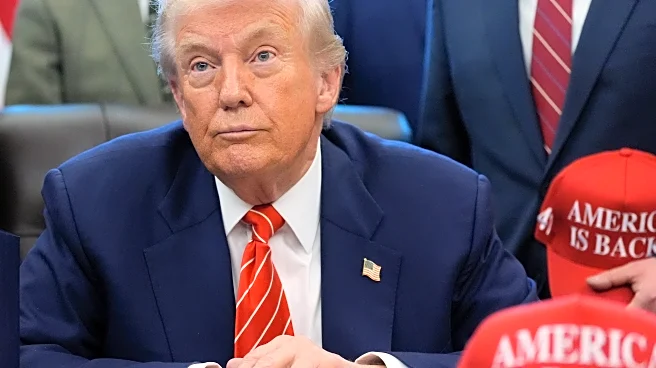
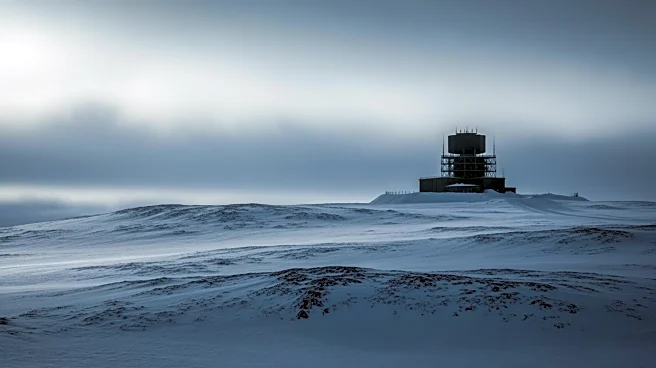
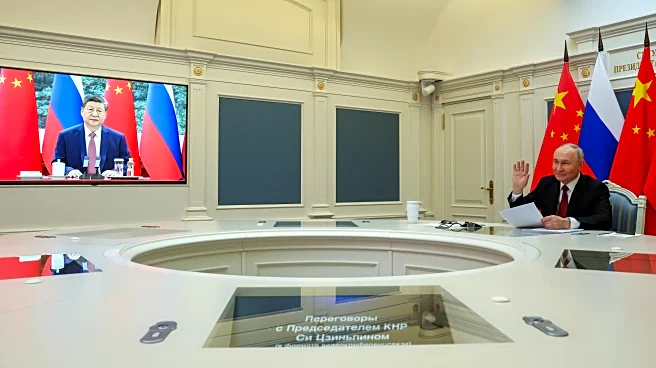
force threatening Danish territory. This rule was originally established following the Nazi invasion of Denmark in 1940, which left military units uncertain due to communication breakdowns. The order remains in effect as Denmark oversees Greenland and has rejected President Trump's proposals for the U.S. to purchase or annex the island. Danish Prime Minister Mette Frederiksen has criticized the Trump administration's attempts to claim Greenland, warning that such actions could end the NATO defense alliance. The U.S. has expressed interest in Greenland for national security reasons, citing the presence of Russian and Chinese ships and the island's untapped mineral reserves.
Why It's Important?
This development underscores the geopolitical tensions surrounding Greenland, a strategically significant territory due to its location and resources. Denmark's firm stance against U.S. acquisition attempts highlights the potential strain on NATO alliances, as any military action by the U.S. could disrupt longstanding defense agreements. The situation also reflects broader global power dynamics, with Greenland's resources and strategic position attracting interest from major powers like the U.S., Russia, and China. The directive for Danish troops to engage without orders indicates the seriousness with which Denmark views the protection of its territories, potentially setting a precedent for how smaller nations might respond to larger powers' territorial ambitions.
What's Next?
The situation may lead to diplomatic discussions between Denmark and the U.S., with Secretary of State Marco Rubio reportedly tasked with engaging Danish officials. The outcome of these talks could influence future U.S. foreign policy and military strategy in the Arctic region. Additionally, the international community will likely monitor the situation closely, as any escalation could have significant implications for global security and economic interests in the Arctic.