



What's Happening?
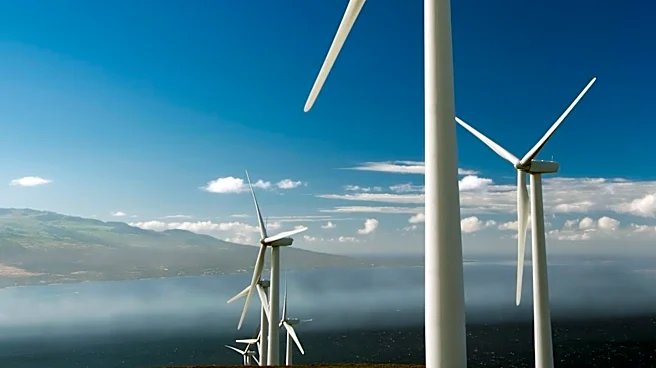
Hawaii is actively working to enhance its disaster preparedness and community resilience by expanding community resilience hubs and reinforcing its power grid. This initiative gained momentum following recent 'super' El Niño seasons and the impact of
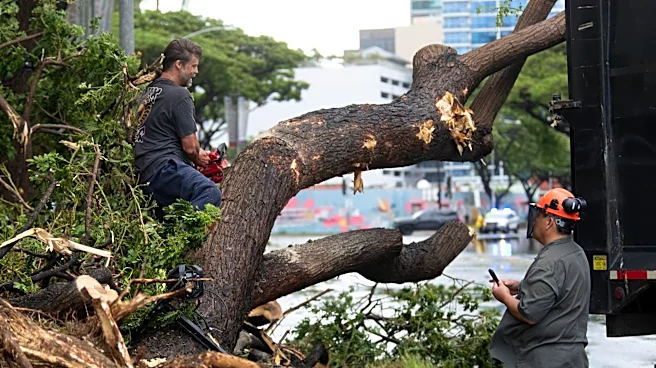
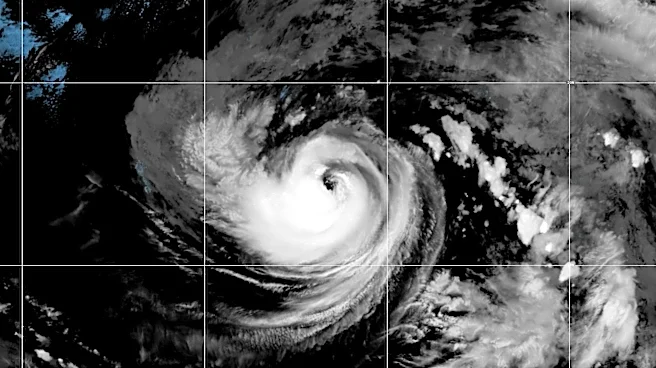
the 2023 Maui wildfires. Community resilience hubs are organizations designed to provide essential services and resources to residents when communities become cut off during disasters. For instance, the nonprofit Elepaio Social Services in Waianae assisted families affected by power outages, and is now seeking a permanent location to offer shelter and charging stations. Vibrant Hawaii has activated 17 such hubs, including one in Naalehu, which was severely impacted by Hurricane Lala. The Hawaii Emergency Management Agency has recognized the growing need for these centers, establishing a community outreach position. On Oahu, the Center for Resilient Neighborhoods (CERENE) is working to create a similar network, identifying eight to 16 potential sites and partnering with businesses for distribution. These efforts aim to build a robust and interconnected network to support community recovery.
Why It's Important?
The proactive measures being taken in Hawaii are crucial for mitigating the devastating effects of natural disasters, which are becoming more frequent and intense due to climate change. By establishing community resilience hubs, the state is creating localized support systems that can quickly respond to the immediate needs of residents, such as food, shelter, and power, when traditional infrastructure fails. This is particularly vital for vulnerable and food-insecure areas like Waianae. Furthermore, reinforcing the power grid, as seen with the $18.5 million in federal funds secured by the Hawaii State Energy Office, directly addresses a critical vulnerability exposed during past storms. The 'Stay Open O’ahu' program also highlights the importance of business continuity, recognizing that a swift economic recovery is integral to overall community resilience. These initiatives protect lives, reduce economic losses, and foster a more self-sufficient and adaptable population in the face of future emergencies.
What's Next?
Hawaii is expected to continue its efforts to expand the network of community resilience hubs across the state, with organizations like CERENE actively identifying new sites and fostering partnerships with local businesses. The Hawaii Emergency Management Agency will likely further integrate these hubs into its disaster response strategies, potentially increasing funding and support for their development and operation. The $18.5 million in federal funds for grid resilience will be deployed to strengthen the power infrastructure, particularly in vulnerable areas like Windward Oahu, which received $11.9 million for critical customer hubs. The 'Stay Open O’ahu' program will also continue to expand, with CERENE assisting in its outreach to small businesses to enhance their disaster preparedness. The focus will remain on enlisting more organizers and residents into this work, building a more comprehensive and community-driven approach to disaster readiness.
Beyond the Headlines
Beyond the immediate benefits of disaster preparedness, Hawaii's focus on community resilience hubs and grid reinforcement signifies a broader shift towards decentralized and community-led disaster response. This approach acknowledges that in large-scale emergencies, centralized systems can be overwhelmed, making local, self-sufficient networks indispensable. The emphasis on partnerships with businesses and local organizations also fosters a stronger sense of community ownership and collective responsibility in disaster mitigation. Ethically, this strategy prioritizes the well-being of the most vulnerable populations by ensuring access to essential resources, thereby reducing inequalities in disaster impact. Culturally, it reinforces the Hawaiian value of 'laulima' (cooperation) and 'malama aina' (care for the land), promoting a sustainable and resilient way of life in harmony with the environment. This model could serve as a blueprint for other regions facing similar climate-related challenges, highlighting the importance of proactive, community-centric resilience building.