








What's Happening?
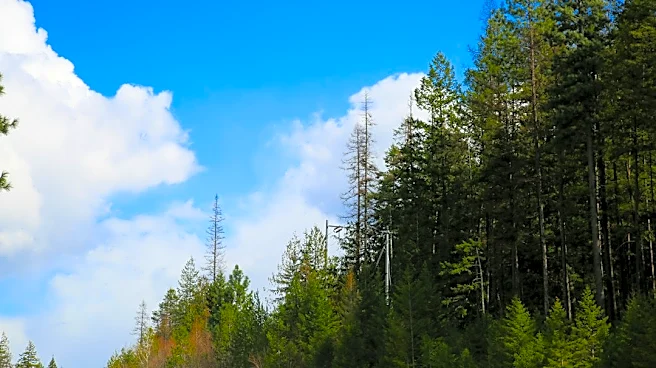
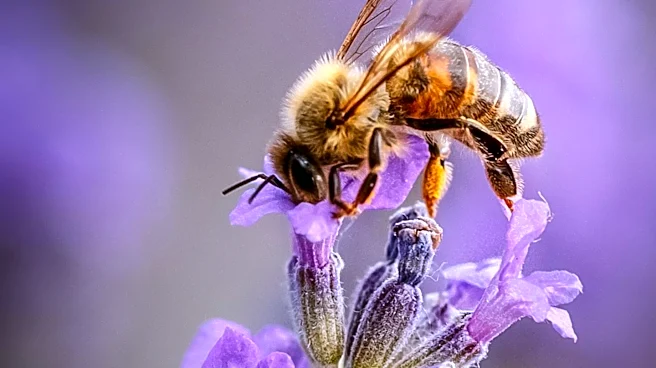
Weyerhaeuser's timberlands in Oregon are serving as vital summer habitats for commercial honeybee colonies, significantly benefiting beekeepers like Devon Prescott of Prescott Honey Farms. Prescott, who manages one of Oregon's largest beekeeping operations,
has placed between 2,500 and 3,000 hives on Weyerhaeuser land this summer, representing approximately 20% of his total bee population. These young forests offer an abundant supply of nectar and pollen from native plants such as blackberries and fireweed. The practice of leasing land for hives has become one of the fastest-growing areas within Weyerhaeuser's specialty forest products program. From 2023 to 2025, the number of hive leases on Weyerhaeuser land surged from 2,230 to 25,491, marking the highest total in at least a decade. This initiative, while contributing a small financial amount compared to other timberland uses, provides significant environmental and social benefits by supporting healthy ecosystems and rural communities.
Why It's Important?
The collaboration between Weyerhaeuser and commercial beekeepers is crucial for the health of pollinator populations and the agricultural economy in Oregon and beyond. Honeybees play an indispensable role in pollinating a wide array of crops, including almonds, cherries, blueberries, carrots, and radishes. Providing secure and resource-rich summer habitats helps sustain bee colonies, which are essential for food security and agricultural productivity. The increasing demand for hive leases on Weyerhaeuser land underscores the growing recognition of the importance of diverse foraging grounds for bees, especially for commercial operators who often migrate their hives to follow seasonal blooms. This partnership not only supports the beekeeping industry but also highlights Weyerhaeuser's commitment to environmental stewardship, demonstrating how large landholders can contribute to ecological balance while pursuing commercial forestry. The program's growth indicates a successful model for integrating biodiversity support with land management practices.
What's Next?
Weyerhaeuser plans to continue expanding its specialty forest products program, including hive leases, and is innovating to make the process more efficient. New digital tools, such as enhanced map capabilities integrated into their existing Field Maps application, are being developed to help land use managers and beekeepers identify optimal apiary locations more easily. These tools allow users to filter for specific criteria like stand type, planned harvests, and existing bee boxes, streamlining the placement of hives. This technological advancement is expected to further increase the number of hive leases and improve tracking accuracy. The functionality, which emerged from an operational excellence initiative, is anticipated to be shared with other regions, potentially expanding the program's reach and impact. Continued collaboration and technological integration will likely lead to more robust support for pollinator populations and the beekeeping industry on Weyerhaeuser's timberlands.
Beyond the Headlines
The initiative extends beyond mere economic or environmental benefits, touching upon the broader concept of sustainable land use and corporate responsibility. By providing safe havens for bees, Weyerhaeuser is actively participating in the conservation of a critical species facing numerous threats, including habitat loss and pesticide exposure. The program also fosters a unique relationship between a major timber company and local agricultural businesses, creating a symbiotic ecosystem where commercial forestry coexists with ecological support. The challenges faced by beekeepers, such as encounters with bears, highlight the complexities of managing natural resources and wildlife. However, the overall success and expansion of the program demonstrate a viable model for how large corporations can leverage their assets to contribute positively to environmental health and community well-being, setting a precedent for other industries to consider similar initiatives that integrate ecological services into their operational frameworks.