
What's Happening?
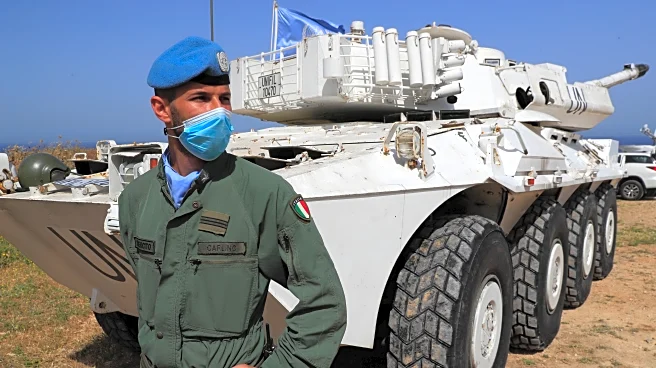
Israel is preparing to reject an anticipated announcement by the Lebanese Armed Forces claiming successful demilitarization of southern Lebanon, a move aimed at disarming Hezbollah. Israeli officials argue
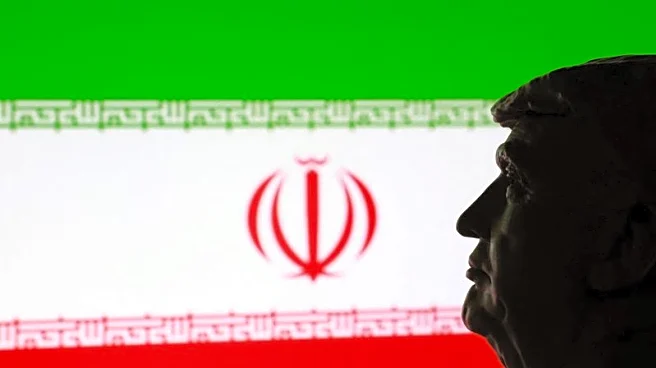
that Hezbollah remains armed and is rebuilding its infrastructure. Concurrently, Israel is sending messages to Iran, asserting no intention to exploit Iran's internal unrest for military action. U.S. President Trump has expressed support for Israel's strategic decisions, emphasizing backing for Prime Minister Netanyahu's actions. The situation is tense, with Israel readying for a targeted operation against Hezbollah, while maintaining diplomatic communications to prevent escalation.
Why It's Important?
The developments in Lebanon and Israel's response could significantly impact regional stability. The potential for military conflict with Hezbollah poses risks of broader regional escalation, affecting international relations and security dynamics in the Middle East. The U.S. backing of Israel's decisions underscores the geopolitical alliances and could influence diplomatic negotiations. The situation also highlights the complex interplay between internal unrest in Iran and regional military strategies, with potential implications for global energy markets and international diplomatic efforts.
What's Next?
Israel's military preparations suggest a readiness for limited conflict, but diplomatic efforts continue to prevent escalation. The international community, including the U.S., Russia, and European nations, may play roles in mediating tensions. The situation in Iran remains a variable, with potential impacts on regional dynamics. Monitoring of Hezbollah's activities and Lebanon's military actions will be crucial in assessing future developments.