





What's Happening?
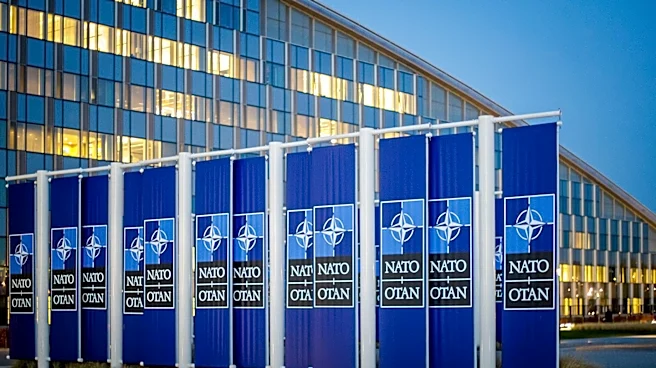
NATO Deputy Secretary General Radmila Shekerinska, alongside NATO Assistant Secretary General for Political Affairs and Security Policy Douglas Jones and Theodora Gentzis from the Belgian Ministry of Foreign Affairs, opened the 2026 NATO Partnerships
360 Symposium in Brussels, Belgium. The event, held from October 25 to 27, is NATO’s flagship forum for discussing partnerships. This year's symposium, co-hosted by the Kingdom of Belgium, gathered 183 participants from 31 NATO Allies and 28 partner nations. The discussions focused on the growing interconnectedness of security theaters and its implications for preparedness, vigilance, and resilience. Ms. Shekerinska emphasized the value of NATO’s partnerships for both Allies and cooperating countries and organizations.
Why It's Important?
In an increasingly dangerous world, the consequences of instability are felt more broadly and rapidly. The symposium highlighted the historic commitment by Allies at the 2025 NATO Summit in The Hague, reaffirmed at the 2026 NATO Summit in Ankara, to reach 5 percent of GDP on defense spending by 2035. This commitment, coupled with concrete capabilities delivered at the Ankara Summit, underscores the Alliance's resolve to strengthen its collective security. As Europe and Canada assume greater responsibility for shared security, building strength, readiness, and resilience with partners, including the European Union, becomes crucial. The symposium provides a vital platform for Allies and partners to reflect on the evolution of NATO’s partnerships and identify new areas for increased cooperation.
What's Next?
The NATO Partnerships 360 Symposium is expected to foster continued dialogue and knowledge exchange among NATO Allies and partner nations. The insights gained and areas identified for increased cooperation will likely inform future NATO policies and initiatives aimed at enhancing global security. The ongoing commitment to increased defense spending and the development of concrete capabilities will continue to be a focus. The Alliance will likely seek to further integrate its partners into its security framework, recognizing that a collaborative approach is essential to address complex and interconnected security challenges. This includes strengthening ties with organizations like the European Union to ensure a comprehensive approach to shared security concerns.
Beyond the Headlines
The emphasis on the 'interconnectedness of security theaters' suggests a recognition within NATO that traditional geographical boundaries of security threats are blurring. This implies a need for a more holistic and integrated approach to defense and security, extending beyond military capabilities to include resilience against hybrid threats, cyberattacks, and climate-related security risks. The symposium's focus on partnerships also highlights the evolving nature of international relations, where alliances and collaborations are becoming more critical for managing global instability. This shift could lead to a re-evaluation of NATO's strategic priorities and a broader definition of what constitutes 'security' in the 21st century, potentially influencing resource allocation and diplomatic efforts.