
What's Happening?
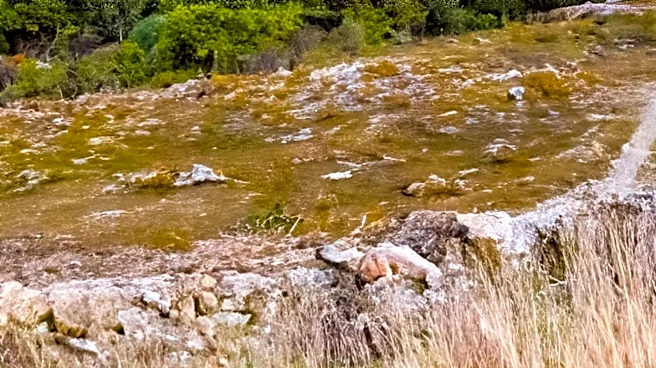
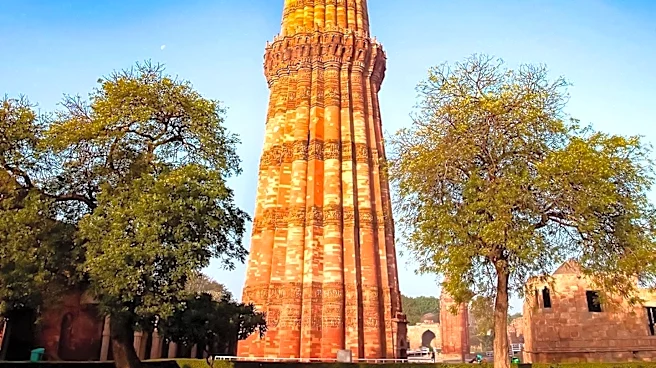
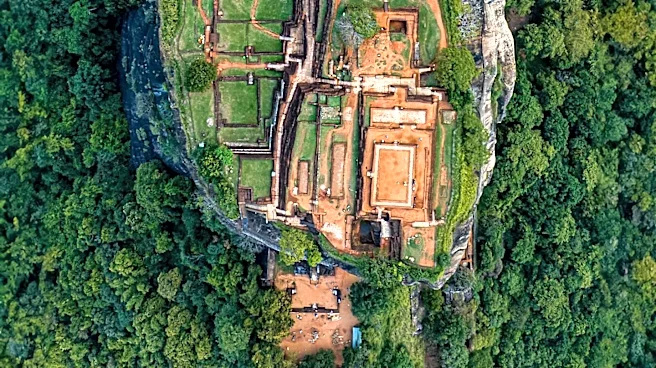
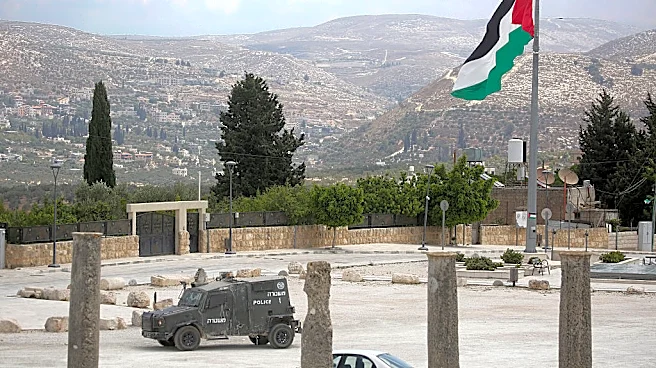
UNESCO has inscribed 25 new sites on its World Heritage List, including 19 cultural sites, five natural sites, and one mixed site. This expansion aims to enhance the recognition of underrepresented regions
and includes the first World Heritage inscriptions for three African countries and two Small Island Developing States. The session also marked the adoption of the World Heritage Strategy for Small Island Developing States (SIDS) 2026-2034, which aims to strengthen the capacity of these states to manage and protect their heritage sites. The strategy is supported by a budget of $13 million and focuses on sustainable development and climate resilience.
Why It's Important?
The inclusion of new sites on the World Heritage List highlights the global commitment to preserving cultural and natural heritage. It provides international recognition and protection to these sites, which can enhance tourism and economic development in the host countries. The focus on underrepresented regions and SIDS reflects a commitment to diversity and inclusion in heritage conservation. The strategy for SIDS addresses specific challenges faced by these states, such as climate change, and aims to make heritage a driver of sustainable development and community engagement.
What's Next?
The newly inscribed sites will benefit from international support and resources to ensure their protection and management. The implementation of the SIDS strategy will involve collaboration between UNESCO, member states, and local communities to address challenges and leverage heritage for sustainable development. Continued efforts to expand the World Heritage List and support underrepresented regions will be essential in promoting global cultural diversity and resilience.