








What's Happening?
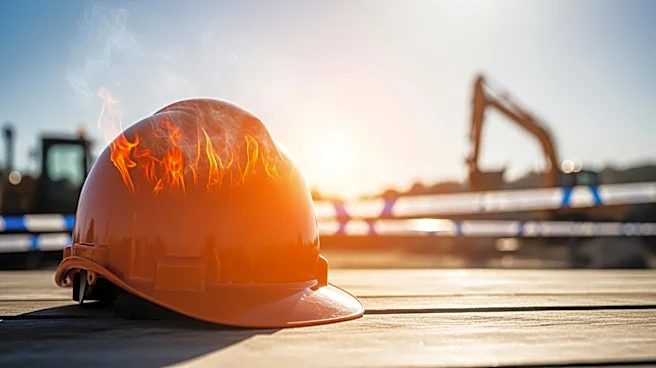
The Occupational Safety and Health Administration (OSHA) has yet to finalize a federal heat standard, leaving the agency to rely on its General Duty Clause and a national emphasis program revised in April 2026 to enforce heat-related safety measures.
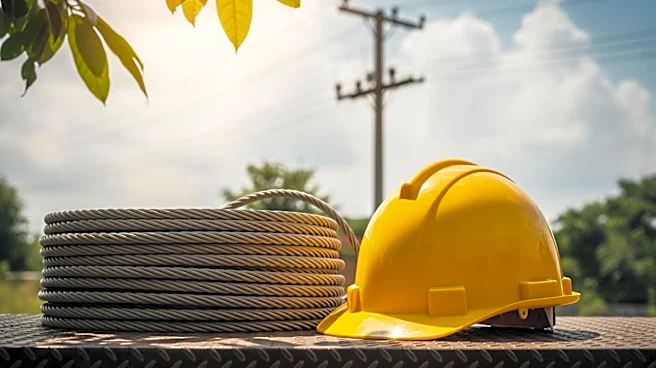
This lack of a federal standard has prompted some states to implement their own heat rules. The absence of a finalized rule means that organizations are encouraged to adopt written heat illness prevention plans as a precaution. The issue is particularly pressing for power crews who face unique challenges such as wearing arc-rated clothing and working in elevated positions, which can exacerbate heat stress. OSHA's proposed heat-illness rule remains stalled with no clear finalization date.
Why It's Important?
The delay in establishing a federal heat standard by OSHA has significant implications for worker safety, particularly in industries like utilities where employees are exposed to extreme heat conditions. Without a federal guideline, there is inconsistency in how heat-related safety is managed across different states, potentially putting workers at risk. The lack of a standardized approach could lead to increased incidents of heat-related illnesses, which can be life-threatening. This situation underscores the need for organizations to proactively implement their own safety measures to protect workers, highlighting the importance of acclimatization, hydration, and scheduling work to minimize heat exposure.
What's Next?
As OSHA continues to work on finalizing a federal heat standard, organizations must remain vigilant in protecting their workers from heat-related risks. This includes developing and enforcing comprehensive heat illness prevention plans and ensuring that workers are trained to recognize the signs of heat stress. The ongoing delay in federal rulemaking may prompt more states to establish their own regulations, potentially leading to a patchwork of standards across the country. Stakeholders, including industry leaders and worker safety advocates, may increase pressure on OSHA to expedite the rulemaking process to ensure consistent and effective protection for all workers.