



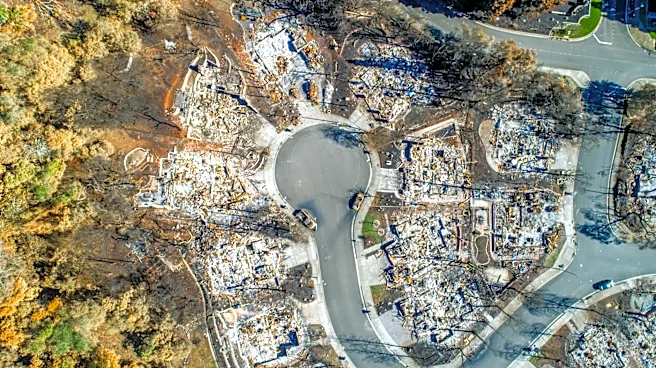
What's Happening?
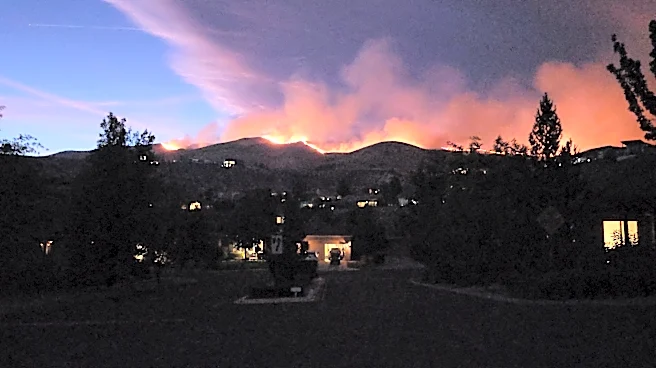
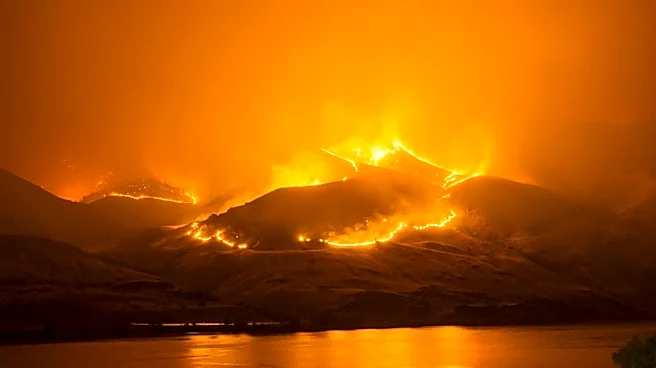
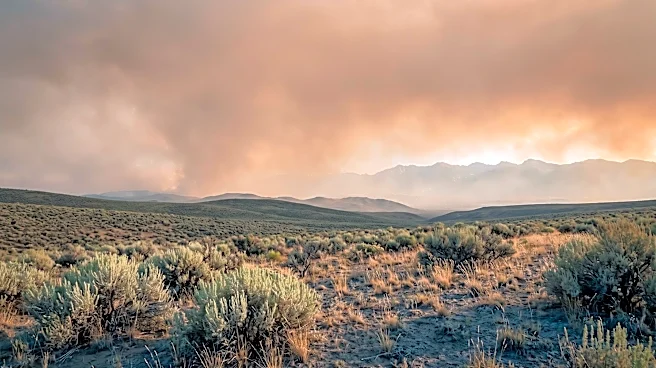
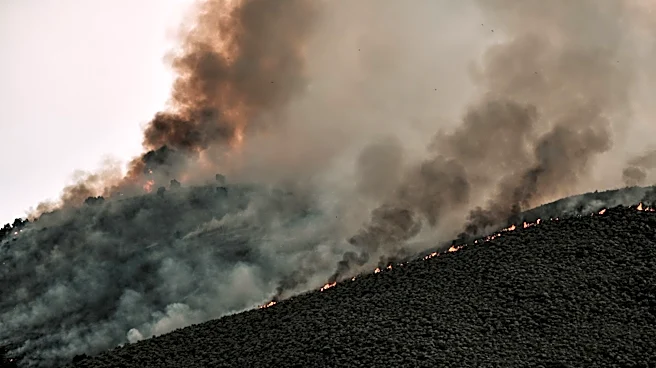
The Hawk Fire, a human-caused wildfire, has rapidly expanded to 13,000 acres near Reno, Nevada, as of Sunday. The fire remains uncontained, leading authorities to issue evacuation orders for approximately 42,000 residents. The incident began on Saturday,
and its swift growth has necessitated a significant emergency response to protect lives and property in the affected areas. The scale of the evacuations underscores the immediate threat posed by the uncontained blaze to the communities surrounding Reno. Emergency services are actively working to manage the situation and ensure the safety of those impacted by the fire.
Why It's Important?
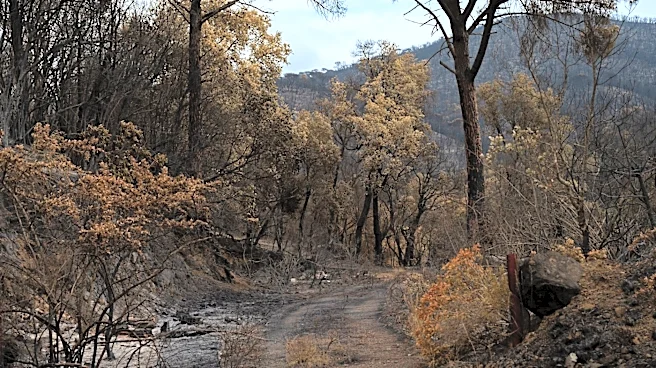
This wildfire incident carries significant implications for public safety, resource allocation, and environmental management in the Western United States. The forced evacuation of tens of thousands of residents highlights the increasing vulnerability of communities to large-scale wildfires, a trend exacerbated by climate conditions and human activity. Economically, the fire can lead to substantial property damage, displacement costs, and disruptions to local businesses. For emergency services, it represents a major strain on resources, requiring extensive coordination and personnel deployment. Environmentally, the destruction of 13,000 acres of land impacts local ecosystems, air quality, and potentially long-term ecological recovery efforts. The 'human-caused' designation also brings into focus the critical need for public awareness and preventative measures to mitigate such disasters.
What's Next?
Authorities will continue to focus on containing the Hawk Fire and ensuring the safety of evacuated residents. The immediate next steps involve deploying additional firefighting resources, establishing more robust containment lines, and monitoring weather conditions that could influence the fire's spread. Residents will likely remain evacuated until the fire is brought under control and areas are deemed safe for return. Investigations into the exact cause of the human-ignited fire will proceed, potentially leading to legal actions or increased public awareness campaigns regarding fire prevention. Long-term, there will be efforts to assess the damage, provide support for displaced individuals, and begin the process of environmental recovery and community rebuilding.
Beyond the Headlines
The Hawk Fire underscores a broader societal challenge concerning the intersection of human activity, environmental conditions, and disaster preparedness. The 'human-caused' origin of the fire points to the critical role of individual responsibility in preventing such catastrophic events, especially in regions prone to wildfires. This incident could prompt renewed discussions on land management practices, urban planning in wildland-urban interface areas, and the adequacy of current emergency response protocols. Furthermore, it highlights the psychological and social toll on displaced communities, who face not only the immediate threat but also the long-term stress of uncertainty, loss, and rebuilding. The event serves as a stark reminder of the escalating risks associated with wildfires and the complex strategies required to address them.