

What's Happening?
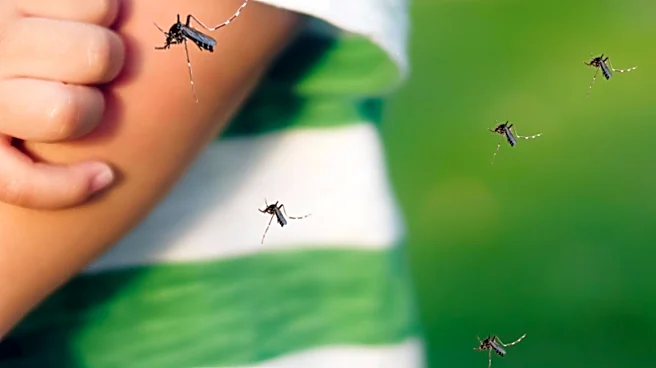
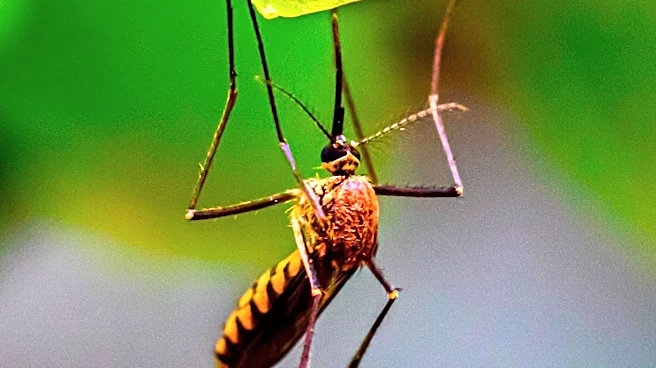
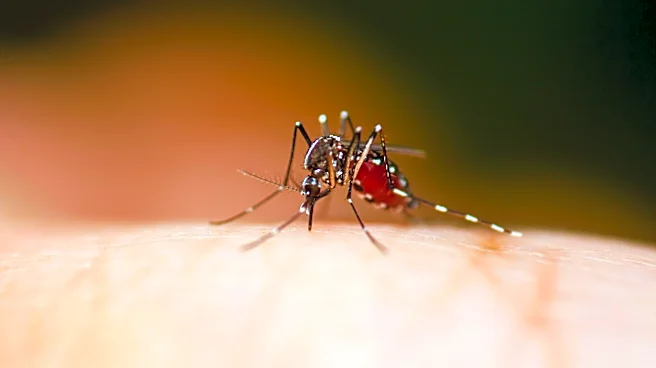
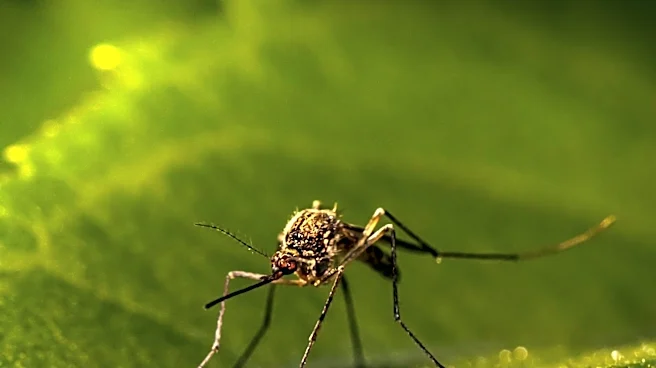
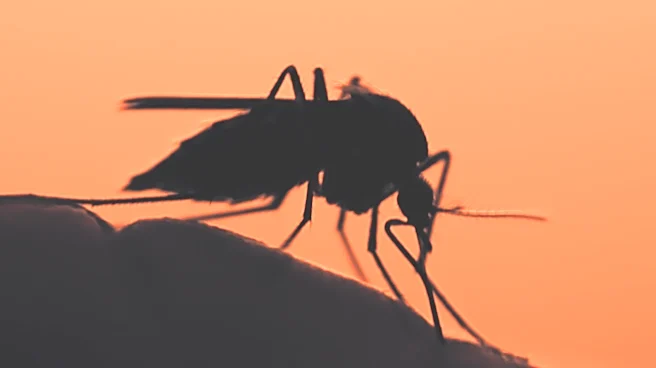
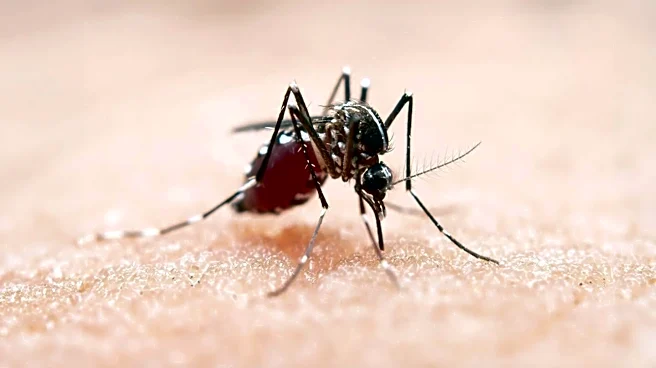
Dr. Tom Mascari, an entomologist at the SC Johnson Center for Insect Science, has provided insights into why mosquitoes are more attracted to some individuals than others. According to Mascari, mosquitoes use a combination of cues such as carbon dioxide,
body heat, sweat, and skin odors to locate humans or other mammals to bite. Research indicates that genetic factors and the bacteria on a person's skin can influence mosquito attraction. Specifically, individuals whose skin produces higher levels of carboxylic acids, which contribute to body odor, are more appealing to mosquitoes. In contrast, ticks do not actively seek out humans based on body chemistry but rather wait in vegetation for a host to pass by. This behavior, known as questing, suggests that spending time in tick habitats is a more significant risk factor than personal body chemistry.
Why It's Important?
Understanding the factors that make certain individuals more attractive to mosquitoes can help in developing better personal protection strategies against mosquito bites and the diseases they carry, such as West Nile virus. This knowledge is crucial for public health, especially in areas prone to mosquito-borne diseases. The distinction between mosquito and tick behavior also highlights the importance of environmental management in preventing tick-borne diseases. By recognizing these differences, individuals can take more effective precautions, such as using repellents and avoiding areas with high tick populations, to reduce the risk of bites and associated diseases.
What's Next?
Future research may focus on identifying specific genetic markers or skin bacteria that contribute to increased mosquito attraction, potentially leading to new repellents or treatments. Public health campaigns could emphasize the importance of environmental management, such as removing standing water and maintaining vegetation, to reduce mosquito and tick populations. Additionally, advancements in wearable technology could provide real-time alerts for high-risk areas, helping individuals avoid bites.