


What's Happening?
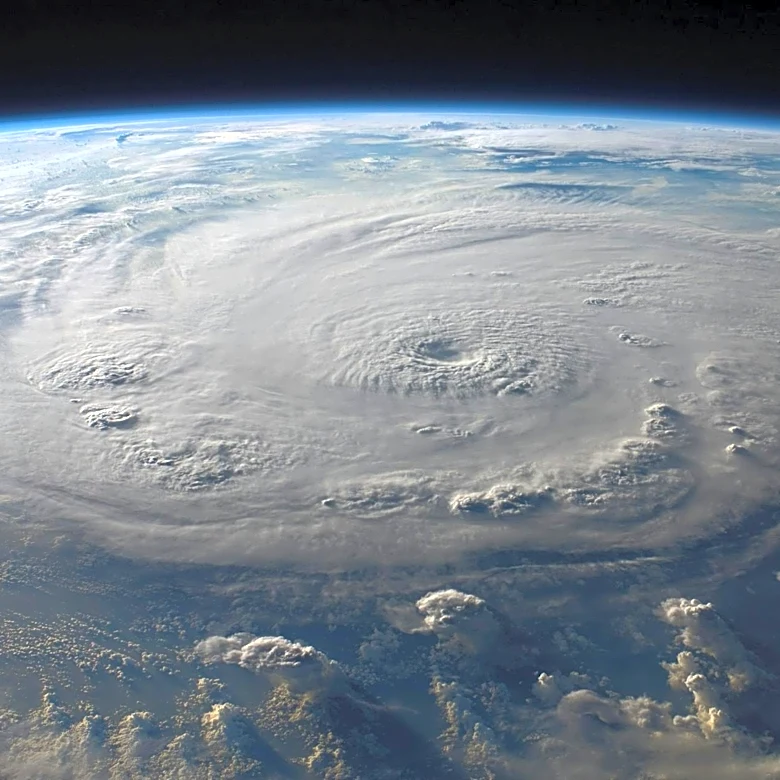
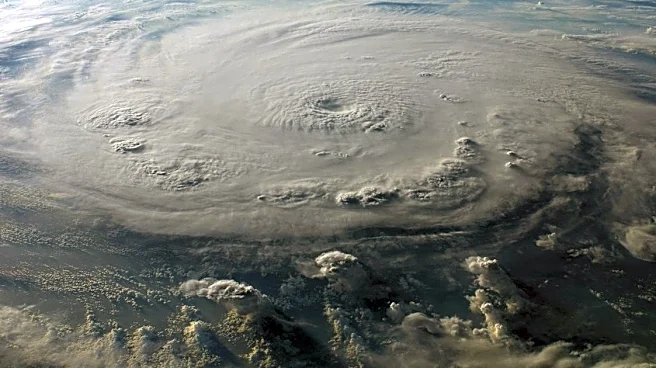
As the likelihood of a strong El Niño event increases for later this year, comparisons are being drawn to the catastrophic El Niño of 1877-1878, which led to a global famine and the deaths of over 50 million people. This climatic phenomenon, characterized
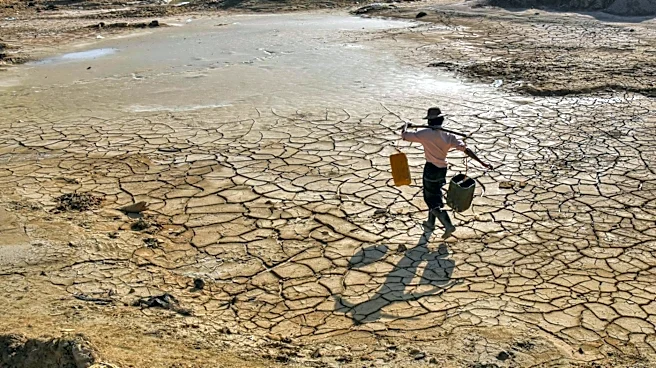
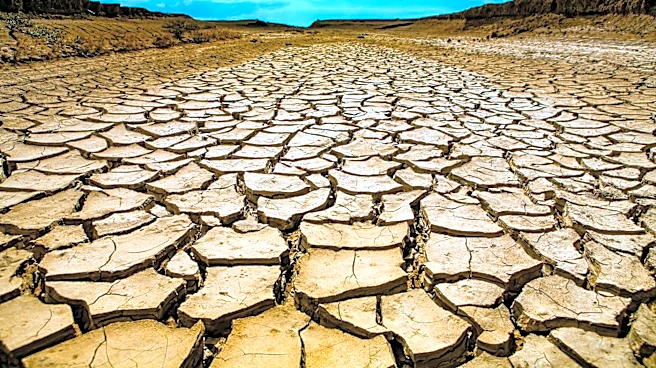
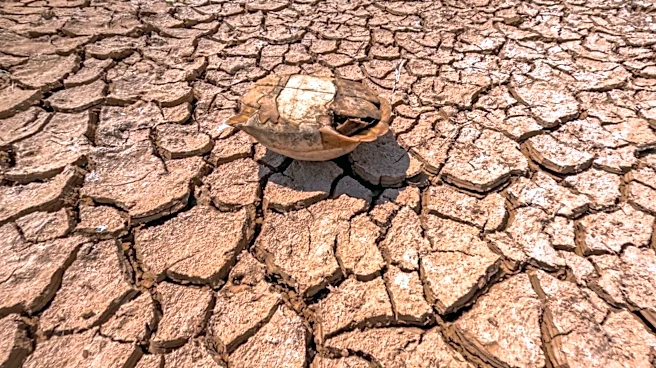
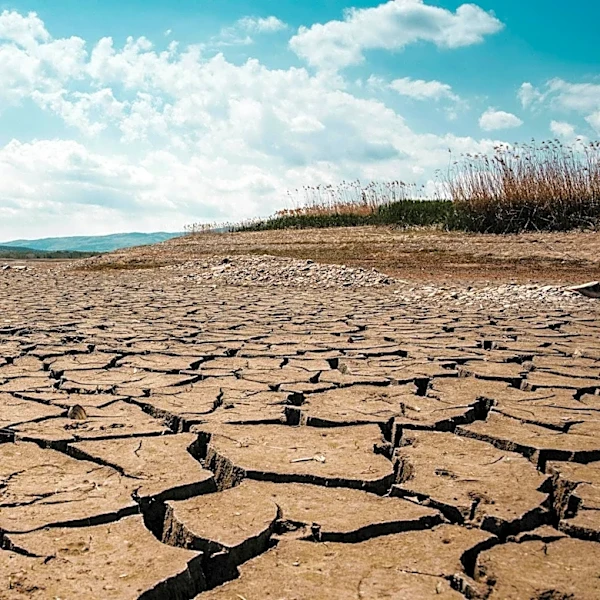
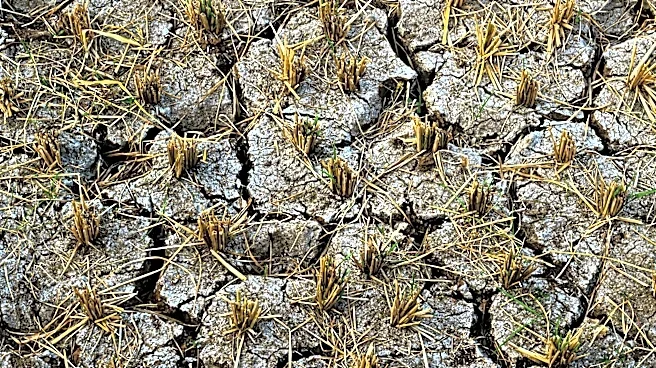
by the warming of ocean waters in the east-central tropical Pacific, could see ocean temperatures rise significantly above average. The historical event caused widespread droughts and food shortages, exacerbated by colonial policies that disrupted local resilience. Today, advancements in climate monitoring and prediction have improved preparedness, but the potential for significant impacts on global food security remains.
Why It's Important?
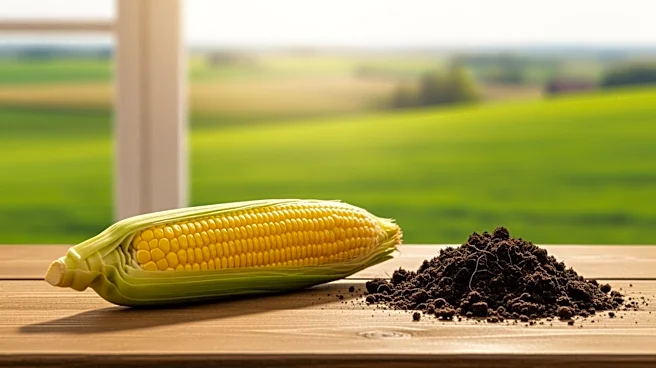
The potential return of a super El Niño poses a threat to global food security, particularly in regions vulnerable to extreme weather. While modern technology and scientific advancements have improved the ability to predict and respond to such events, the interconnected nature of global food systems means that disruptions could have widespread consequences. The historical context underscores the importance of understanding and mitigating the social, political, and economic factors that can exacerbate the impacts of climate events. Enhanced drought risk could threaten food, water, and economic security, with cascading effects across global systems.
What's Next?
With the possibility of a super El Niño on the horizon, governments and organizations are likely to increase monitoring and preparedness efforts. The focus will be on mitigating the impacts on vulnerable regions and ensuring food security. Continued advancements in climate science and technology will play a crucial role in managing the risks associated with such extreme weather events. The situation highlights the need for coordinated global action to address the challenges posed by climate change and its impact on food systems.