

What's Happening?
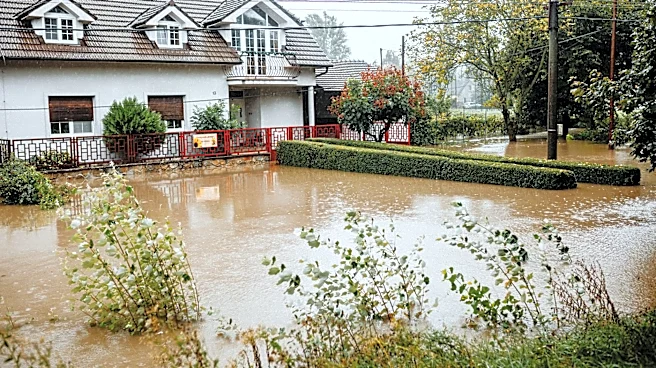
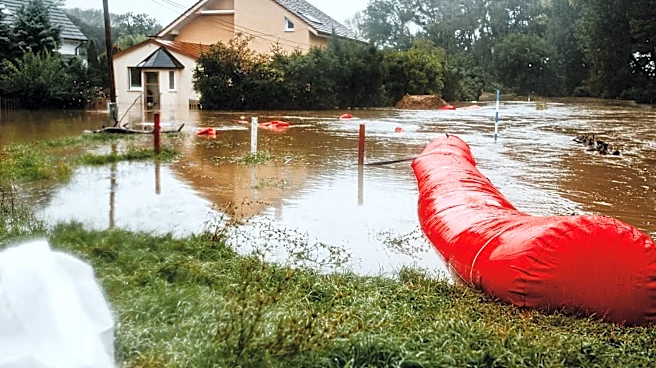
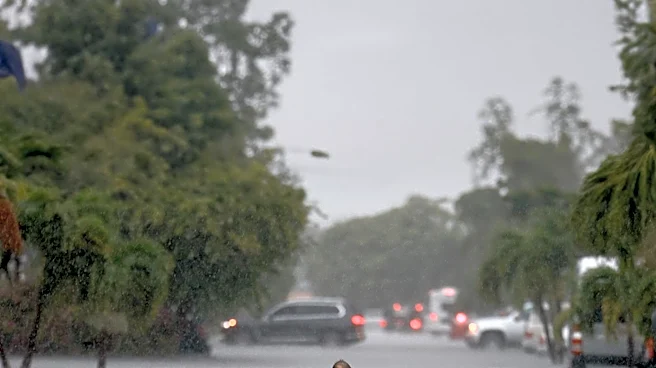
Montana Governor Greg Gianforte has declared a disaster in the city of Glasgow, Valley County, after severe flash flooding over the July 4th weekend. The flooding, caused by multiple slow-moving thunderstorms, resulted in intense rainfall exceeding two
inches per hour. This natural disaster has significantly damaged public infrastructure, local businesses, and roads. The disaster declaration allows for the use of state resources and general funds to address the immediate needs arising from the flooding. It also facilitates coordination among the state, county, and city to assess the damage and begin necessary repairs. The Mayor of Glasgow had previously declared a local disaster on July 23, 2026, but the extent of the damage surpassed the financial capabilities of the city and county.
Why It's Important?
The disaster declaration is crucial for Glasgow as it enables the allocation of state resources to repair critical infrastructure and support local recovery efforts. This action underscores the importance of state intervention in natural disasters, especially when local resources are insufficient. The flooding has disrupted daily life and affected local businesses, highlighting the vulnerability of small communities to extreme weather events. The declaration also emphasizes the need for improved infrastructure resilience to withstand future natural disasters. The state's involvement is vital in ensuring that Glasgow can rebuild stronger and be better prepared for similar events in the future.
What's Next?
With the disaster declaration in place, the next steps involve a coordinated effort between state and local officials to assess the full extent of the damage and prioritize repairs. The focus will be on addressing immediate public safety concerns and beginning long-term infrastructure repairs. The state will likely continue to work closely with local officials to ensure that the necessary resources and support are provided to facilitate a swift recovery. Additionally, there may be discussions on implementing measures to enhance the community's resilience against future flooding events.