






What's Happening?
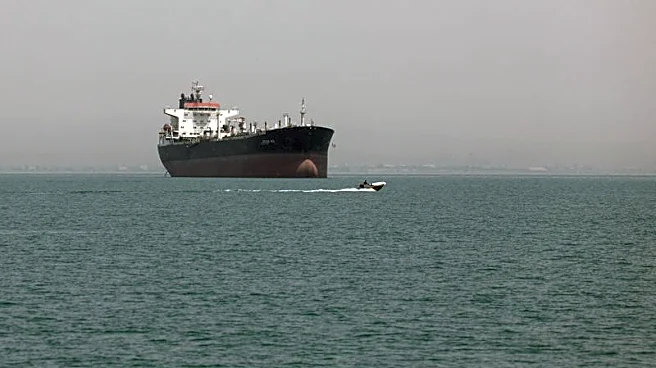
A potential ceasefire deal between the U.S. and Iran could involve a 60-day extension during which the Strait of Hormuz would be reopened. The agreement would allow Iran to sell oil freely and initiate talks on limiting its nuclear program. Iran would clear mines
from the Strait and not impose tolls on ships. In exchange, the U.S. would lift its blockade on Iranian ports. However, Iran has not agreed to hand over its highly enriched uranium stockpile, and the nuclear issue is not part of the preliminary agreement.
Why It's Important?
The reopening of the Strait of Hormuz is vital for global oil transportation and economic stability. The potential deal represents a diplomatic effort to address Iran's nuclear capabilities and reduce regional tensions. The agreement's success could influence U.S.-Iran relations and impact regional stability. However, the lack of agreement on the nuclear issue and uncertainties about implementation highlight the complexities of the negotiations. The outcome could affect global oil prices and the geopolitical landscape in the Middle East.
What's Next?
Further negotiations are expected to address unresolved issues, including the lifting of sanctions and the mechanics of Hormuz access. The U.S. and Iran will continue discussions on Iran's nuclear program and regional hostilities. The international community will be monitoring the situation closely, as the deal's success could set a precedent for future diplomatic efforts. The U.S. aims to ensure that Iran does not develop nuclear weapons, while Iran seeks relief from economic sanctions.