
What's Happening?
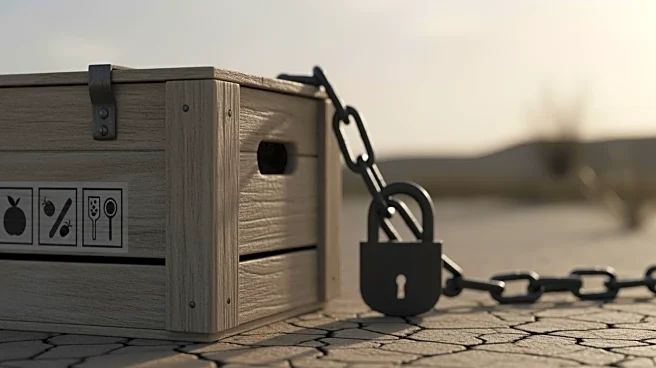
The U.S. State Department has announced the suspension of all assistance to Somalia's federal government following allegations that Somali officials destroyed a World Food Program warehouse funded by the U.S. and
seized 83.78 tons of food aid meant for impoverished civilians. The Trump Administration has emphasized a zero-tolerance policy for the misuse of aid, stating that any resumption of assistance will depend on the Somali government's accountability and remedial actions. This decision aligns with the administration's broader critical stance towards Somali refugees and migrants in the U.S., amid allegations of fraud in Minnesota child care centers. The extent of the aid affected by this suspension is unclear, as the Trump administration has reduced foreign aid expenditures and dismantled the U.S. Agency for International Development.
Why It's Important?
The suspension of aid to Somalia could have significant humanitarian implications, as the country is one of the world's poorest and has been plagued by ongoing conflict and natural disasters. The U.S. had previously provided substantial aid to Somalia, which is crucial for addressing food insecurity and supporting development projects. This move may exacerbate the challenges faced by Somali civilians, potentially leading to increased instability in the region. Additionally, the decision reflects the Trump administration's stringent approach to foreign aid, prioritizing accountability and reducing perceived waste. This could influence U.S. foreign policy and aid distribution strategies, affecting international relations and the U.S.'s role in global humanitarian efforts.
What's Next?
The U.S. State Department is conducting a review to identify which aid programs directly or indirectly benefit the Somali government, with plans to pause, redirect, or terminate such programs. The Somali government may need to engage in diplomatic efforts to address the U.S.'s concerns and restore aid. International donor countries might also reassess their aid strategies in Somalia, potentially leading to a broader reevaluation of international support for the country. The situation could prompt discussions on improving oversight and accountability in aid distribution to prevent similar issues in the future.