





What's Happening?
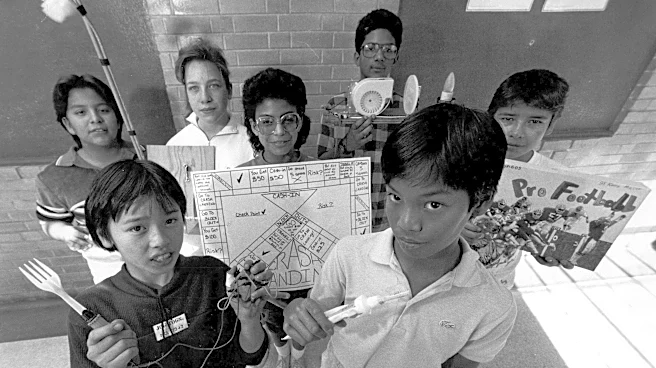
The Hunger Action Heroes Unite! National Challenge, a free nationwide competition, is inviting students in grades 4 through 9 across all 50 U.S. states and Washington, D.C., to address food insecurity and food waste. Running from September 1, 2026, to March
12, 2027, the initiative encourages young people to investigate food waste, implement practical solutions, and document their environmental or community impact. Projects can include food donations, cafeteria waste audits, share tables, school gardens, food rescue initiatives, or composting programs. The challenge emphasizes demonstrated action, individual initiative, and measurable community impact, rather than solely written research. It is sponsored by Feeding San Diego and supported by a national coalition including Let's Go Compost, Lunch Out of Landfills, ReFED, and World Wildlife Fund's Food Waste Warriors program. Two national champions, one from each division (grades 4-6 and 7-9), will receive a trip to San Diego Comic-Con 2027, a $750 college scholarship, a $3,000 School Impact Grant, and the opportunity to direct a $1,000 donation to a hunger relief organization.
Why It's Important?
This national challenge is significant because it engages young people directly in addressing critical issues of food insecurity and environmental sustainability within their communities. By encouraging students to identify problems and implement solutions, it fosters practical problem-solving skills and civic engagement from an early age. Food waste is a substantial environmental concern, with the U.S. Environmental Protection Agency (EPA) reporting that food constitutes approximately 24% of material entering municipal solid waste landfills, contributing to methane emissions. The program educates students on the interconnectedness of food systems, resource management, and environmental impact. It also provides schools with a framework to integrate environmental science, data collection, and community action into their curriculum, potentially leading to long-term behavioral changes in food consumption and waste management among future generations. The challenge's focus on measurable impact encourages data-driven approaches to sustainability efforts.
What's Next?
The Hunger Action Heroes Unite! National Challenge will continue to accept student entries until March 12, 2027. Following the submission deadline, judging will conclude by April 7, 2027, with National Champions announced on April 28, 2027. The winning students will then attend San Diego Comic-Con from July 21 to 26, 2027, as part of their prize. Participating students and schools are expected to implement their projects, document their findings through videos and photographs, and submit written reflections on their actions and learning. The initiative aims to inspire ongoing efforts in food waste reduction and hunger relief beyond the competition period, with the potential for schools to integrate successful student projects into their regular sustainability programs. The coalition partners will likely continue to support educational resources and methodologies for addressing food waste and insecurity.
Beyond the Headlines
The challenge highlights a broader societal shift towards integrating environmental education and civic responsibility into youth development. By focusing on tangible actions like composting and food rescue, it moves beyond theoretical learning to practical application, empowering students to become agents of change. This initiative also underscores the growing recognition of schools as vital hubs for community-level environmental action and social impact. The emphasis on measuring impact and documenting results can instill a scientific approach to problem-solving, encouraging critical thinking and evidence-based decision-making. Furthermore, by connecting food waste to hunger, the program addresses ethical dimensions of resource allocation and social equity, prompting students to consider how their actions can contribute to a more just and sustainable food system. The long-term implications could include a more environmentally conscious and civically engaged generation better equipped to tackle complex global challenges.