




What's Happening?
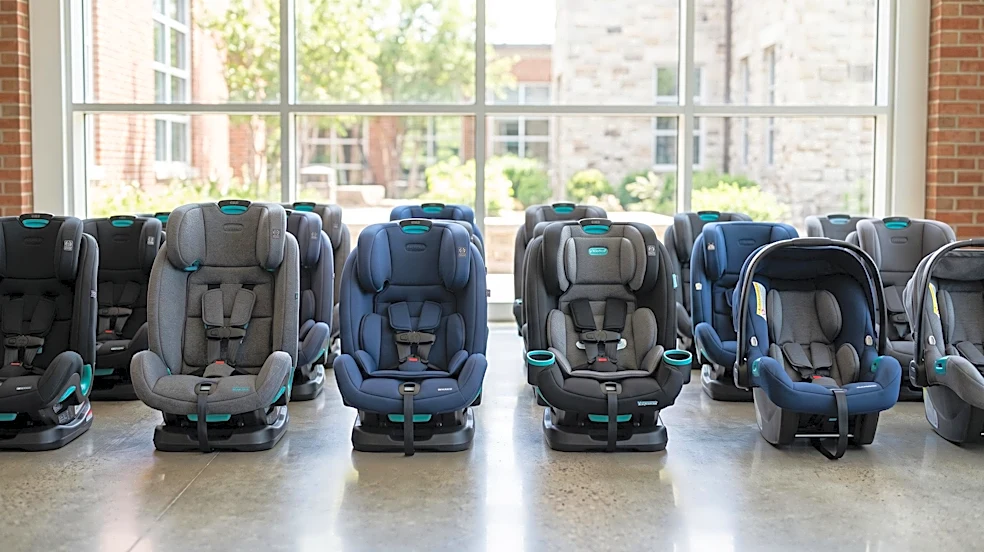
The Leadership Pine Belt Class of 2026 has successfully raised funds to purchase 125 car seats, which have been distributed to five local law enforcement agencies in the Pine Belt region of Mississippi. This initiative, part of their community project
titled “Oh Baby, Buckle Up!”, aims to address the issue of unrestrained children in vehicles. According to Hattiesburg Police Sgt. Tyler McCann, officers frequently encounter drivers with children not properly secured in car seats. Mikayla Beck, a member of the Leadership Pine Belt Class of 2026, highlighted that over 400 citations were issued last year across the Pine Belt counties and the City of Hattiesburg for unbelted children. The distributed car seats will provide a solution for officers to offer a car seat to individuals who receive a citation, ensuring children leave safer than when they were initially stopped.
Why It's Important?
This initiative is important for enhancing child safety on roads and supporting local law enforcement efforts in the Pine Belt region. The provision of car seats directly addresses a critical public safety concern, as Lamar County Sheriff Danny Rigel emphasized that car seats save lives in vehicle accidents. By equipping law enforcement agencies—including the Lamar, Forrest, Marion, and Perry County sheriff’s offices, and the Hattiesburg Police Department—with these car seats, the program offers a practical solution beyond just issuing citations. This approach not only enforces existing safety regulations but also provides immediate resources to families, potentially reducing the number of children traveling without proper restraints and mitigating the severity of injuries in crashes. It underscores a community-led effort to improve public health outcomes and support vulnerable populations.
What's Next?
The immediate next step involves the integration of these donated car seats into the operational procedures of the recipient law enforcement agencies. Officers will now have the option to provide a car seat to drivers who are cited for having unrestrained children, aiming to ensure immediate compliance and improved safety. The success of this program could serve as a model for other communities facing similar challenges, potentially leading to broader adoption of such initiatives. Continued monitoring of citation rates for unrestrained children and the impact of car seat distribution will be crucial to assess the long-term effectiveness of the “Oh Baby, Buckle Up!” project. Future efforts might include educational campaigns to raise awareness about child passenger safety and the availability of these resources.
Beyond the Headlines
Beyond the immediate safety benefits, this program highlights the power of community engagement and collaboration between civic groups and law enforcement. It shifts the focus from punitive measures alone to a more supportive and preventative approach to public safety. The initiative also brings attention to socio-economic factors that might prevent some families from acquiring car seats, suggesting a deeper societal need for accessible safety equipment. By providing car seats at the point of contact, the program addresses potential barriers and promotes equitable access to safety resources. This proactive stance could foster greater trust between law enforcement and the community, demonstrating a commitment to welfare beyond enforcement, and potentially influencing public policy discussions around child safety and resource allocation.