






What's Happening?
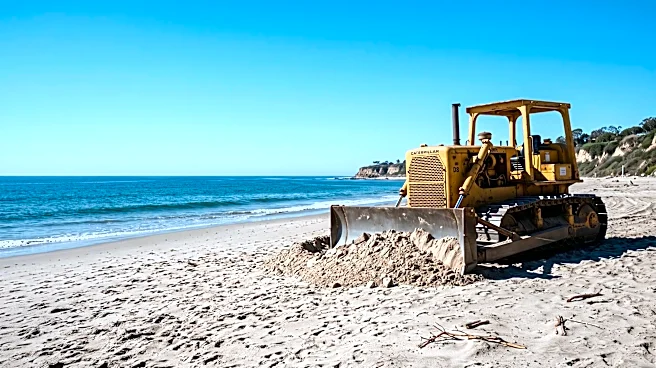
Mark Attanasio, the Chairman and Principal Owner of the Milwaukee Brewers, has settled a lawsuit concerning the unauthorized removal of sand, rocks, and boulders from Malibu's Broad Beach. The controversy, which began in 2024, involved Attanasio's construction
operation, JILK Heavy Construction, using heavy equipment to excavate material from the public beach and move it onto his oceanfront property during seawall construction. A neighbor initiated the lawsuit, and the California Coastal Commission subsequently became involved, asserting that the work was conducted without proper permits, caused damage to environmentally sensitive areas, and partially obstructed public access along the beach. As part of the settlement, Attanasio is required to donate an undeveloped $2 million beachfront property in Malibu and restore the area that was improperly excavated.
Why It's Important?
This settlement highlights the significant legal and environmental repercussions that can arise from unauthorized construction activities, particularly in ecologically sensitive coastal regions. The involvement of the California Coastal Commission underscores the regulatory body's role in protecting public access and natural resources along the state's coastline. The substantial financial and property donation required as part of the settlement serves as a deterrent against similar actions by other property owners. It also reinforces the principle that even prominent individuals and their companies are subject to environmental regulations and public land use laws. The case demonstrates the power of individual lawsuits and regulatory oversight in holding entities accountable for environmental damage and ensuring the preservation of public spaces.
What's Next?
Following the settlement, the focus will shift to the implementation of its terms. This includes the formal donation of the $2 million beachfront property by Mark Attanasio and the commencement of restoration efforts for the improperly excavated area on Broad Beach. The California Coastal Commission will likely oversee these restoration activities to ensure they meet environmental standards and effectively mitigate the damage caused. The resolution of this lawsuit may also prompt increased scrutiny of coastal development projects in Malibu and other sensitive areas, potentially leading to stricter enforcement of permitting requirements and environmental impact assessments for future construction. Other property owners in coastal regions might review their own construction practices to avoid similar legal challenges.
Beyond the Headlines
The incident transcends a simple property dispute, touching upon broader themes of environmental stewardship, public versus private land rights, and the accountability of wealthy individuals. The unauthorized alteration of a public beach, even for private property protection, raises ethical questions about the perceived entitlement to natural resources. The settlement, by mandating both a significant property donation and restoration, emphasizes that environmental damage has tangible and costly consequences, regardless of the perpetrator's status. This case could contribute to a growing public discourse on coastal erosion, climate change adaptation, and the balance between private development and ecological preservation, potentially influencing future legislative efforts to protect vulnerable coastlines.