









What's Happening?
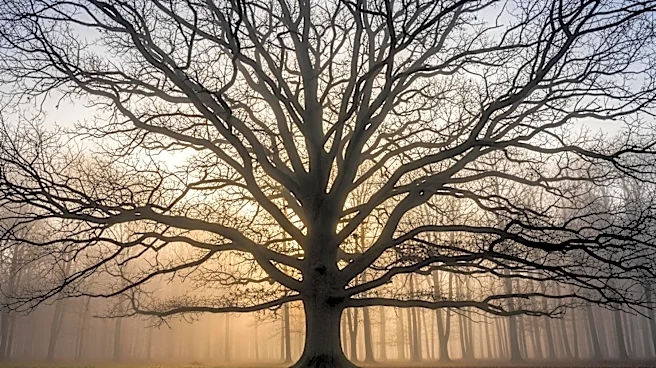
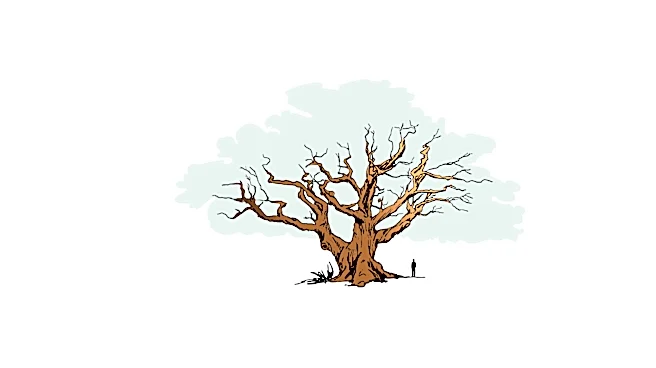
The Major Oak, a 1,200-year-old tree in Sherwood Forest, has been declared dead after failing to leaf this year. Known for its connection to the legend of Robin Hood, the tree has been a symbol of historical and ecological significance. The Royal Society
for the Protection of Birds attributes its decline to poor soil conditions, human interventions, and climate change, which have weakened its root system. The tree has been a vital habitat for numerous species, contributing to the forest's biodiversity.
Why It's Important?
The death of the Major Oak is a significant loss to both cultural heritage and biodiversity. As a symbol of the Robin Hood legend, it has attracted countless visitors, contributing to local tourism and cultural identity. Ecologically, the tree provided shelter and food for various species, playing a crucial role in the forest's ecosystem. Its demise highlights the broader impacts of climate change and human activity on natural landmarks, emphasizing the need for conservation efforts.
Beyond the Headlines
The Major Oak's death serves as a reminder of the fragility of natural heritage sites in the face of environmental changes. It underscores the importance of sustainable practices and proactive measures to protect such landmarks. The tree's legacy will continue to inspire conservation efforts and cultural storytelling, reinforcing the interconnectedness of history, nature, and human impact.