




What's Happening?
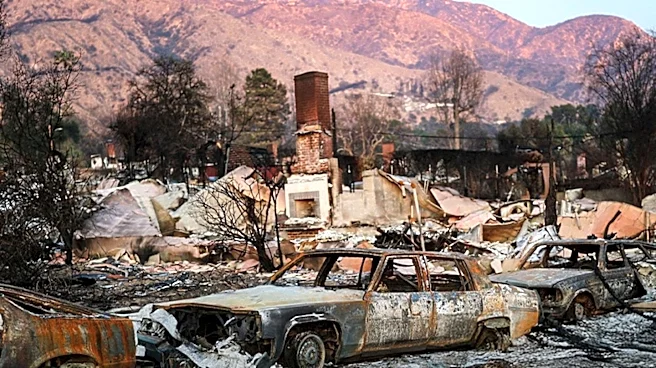
The National Assembly of Venezuela has updated the death toll from the twin earthquakes that struck the country in June, reporting that 6,125 people have died. The earthquakes, with magnitudes of 7.2 and 7.5, caused significant destruction, particularly
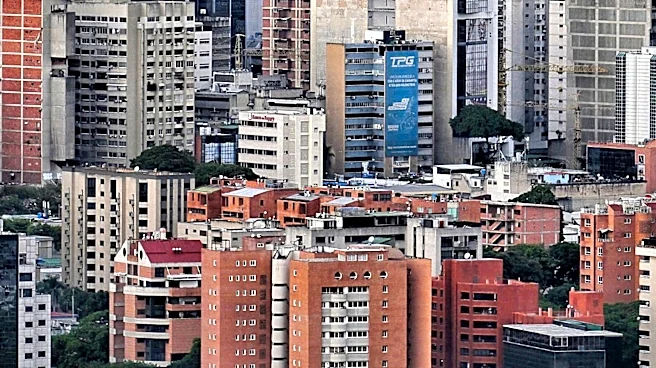
in the coastal state of La Guaira, where nearly 200 buildings collapsed. Rescue operations are ongoing, with approximately 17,000 people injured and around 1,400 individuals still missing. The government has not provided an official count of the missing, but estimates suggest the number could be as high as 10,000. In response to the disaster, Venezuelan lawmakers have passed a new law to facilitate property rentals, aiming to assist those displaced by the earthquakes. Interim leader Delcy Rodriguez announced plans to provide 4,000 homes to affected families by the end of the year, with a goal of exceeding 10,000 homes by 2027.
Why It's Important?
The earthquakes in Venezuela have had a devastating impact on the country's infrastructure and population, highlighting the urgent need for humanitarian aid and reconstruction efforts. The new rental law represents a significant policy shift aimed at addressing the housing crisis exacerbated by the disaster. This development is crucial for the thousands of displaced individuals who are currently living in temporary shelters. The international community, particularly the United States, is closely monitoring the situation, as Venezuela's interim government operates under significant external scrutiny following the ousting of former leader Nicolas Maduro. The response to this natural disaster could influence Venezuela's political stability and its relations with other nations.
What's Next?
The Venezuelan government is expected to continue its efforts to provide housing and support to those affected by the earthquakes. The implementation of the new rental law will be a key focus, as it aims to make housing more accessible to displaced families. Additionally, international aid and support may play a role in the country's recovery process. The situation remains fluid, with ongoing rescue operations and the potential for further legislative measures to address the long-term needs of the affected population.