






What's Happening?
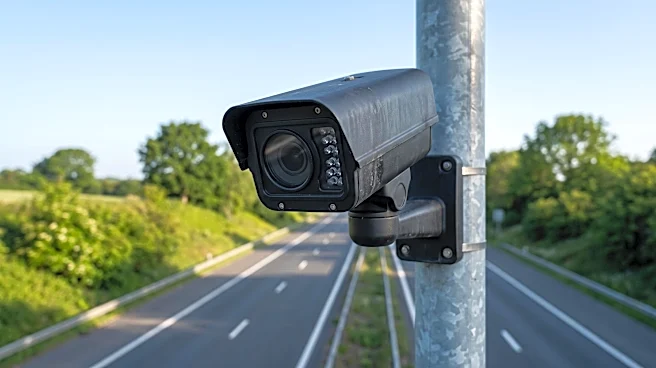
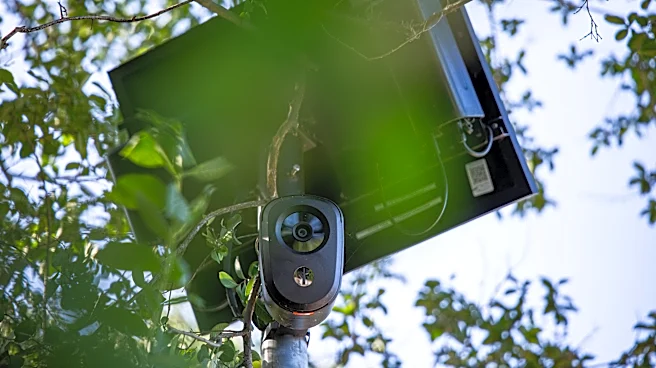
Seattle residents have expressed significant privacy concerns regarding Mayor Katie Wilson's plan to expand and activate CCTV cameras in three city neighborhoods. This move marks a reversal of Wilson's previous campaign stance. The Mayor has delayed the
rollout to consider insights from a New York University (NYU) audit on privacy and data access. In response, Councilmember Alexis Mercedes Rinck has introduced a funding amendment that seeks to restrict the camera expansion by withholding funds until clear rules for accessing camera feeds are established. During a recent council meeting, several residents testified, voicing worries about potential loss of privacy, surveillance, and the security of personal data and biometrics collected by the cameras. Rinck's amendment proposes releasing up to $400,000 for expansion only when three conditions are met: Real Time Crime Center analysts must provide a case number for camera access justification, criteria must be created for integrating private cameras into the RTCC network, and a case number and justification must be provided for accessing automatic license plate readers.
Why It's Important?
The debate over CCTV expansion in Seattle highlights a critical tension between public safety initiatives and individual privacy rights. The concerns raised by residents reflect a broader societal discussion about surveillance technology and its potential for misuse, data breaches, and the erosion of civil liberties. Councilmember Rinck's proposed amendment aims to establish accountability and transparency in how these surveillance tools are used, which is crucial for building public trust. Without clear guidelines and oversight, there is a risk that such systems could be exploited or lead to unintended consequences, such as discriminatory targeting or the creation of extensive personal data profiles without consent. The outcome of this legislative process will set a precedent for how Seattle balances security needs with privacy protections, potentially influencing similar discussions in other U.S. cities grappling with the deployment of advanced surveillance technologies.
What's Next?
The Seattle City Council will continue to deliberate on Councilmember Rinck's funding amendment and the broader legislation concerning the CCTV camera rollout. The Mayor's office will likely consider the feedback from the NYU audit and public testimony as it moves forward with its plans. The Seattle Police Department may be tasked with developing the criteria for camera access and integration as stipulated by the proposed amendment. Residents and privacy advocacy groups will likely continue to engage with the council and the Mayor's office to ensure their concerns are addressed. The process will involve establishing clear policies for data retention, access protocols, and oversight mechanisms to mitigate privacy risks. The final decision will determine the scope and operational guidelines for Seattle's expanded surveillance network.
Beyond the Headlines
The controversy surrounding Seattle's CCTV expansion touches upon fundamental legal and ethical questions regarding the scope of government surveillance in a democratic society. Legal experts have noted that continuous tracking via cameras could be viewed similarly to GPS tracking, which often requires a warrant in Washington State. This raises questions about whether existing legal frameworks are adequate to address new surveillance technologies. Ethically, the debate involves weighing collective security against individual autonomy and the potential for a 'chilling effect' on public expression and assembly if citizens feel constantly monitored. The integration of private cameras into a public network also blurs the lines between public and private surveillance, creating new challenges for regulation and oversight. The long-term implications could include shifts in public behavior, increased demands for data protection laws, and ongoing legal challenges to the use of such technologies without robust safeguards.