







What's Happening?
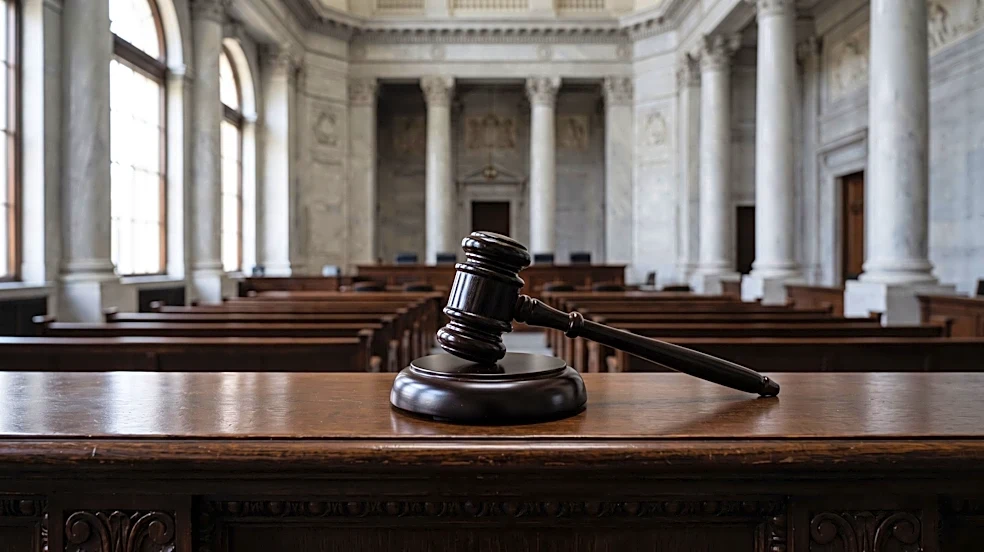
A federal appeals court has ruled that Florida's social media law, which prohibits minors under 14 from creating their own social media accounts, is likely constitutional. The 11th Circuit Court of Appeals overturned a lower court's preliminary injunction
against the law. The unanimous three-judge panel stated that while the law implicates the First Amendment, it likely does so in a content-neutral manner and survives intermediate scrutiny. The court found that the law does not burden substantially more speech than necessary to protect minors from social media addiction. The legislation, passed in 2024 and signed by Governor Ron DeSantis, also requires 15- and 16-year-olds to obtain parental permission for social media accounts. It specifically targets platforms with 'addictive features,' defined as those using 'unlimited scrolling' and algorithms designed to retain user attention.
Why It's Important?
This ruling is significant for the ongoing debate surrounding online safety for minors and the regulation of social media platforms in the U.S. It sets a precedent that states may have the constitutional authority to implement age restrictions on social media access, potentially influencing similar legislative efforts nationwide. For technology and social media companies, represented by groups like NetChoice, this decision poses a challenge to their current operating models, as it could necessitate the implementation of digital ID verification for users. The ruling highlights a growing legal and societal push to balance First Amendment rights with the protection of children from potential harms associated with excessive social media use. The outcome could lead to a re-evaluation of platform design and content delivery, particularly concerning features deemed 'addictive.'
What's Next?
NetChoice, a trade group representing technology and social media companies, has expressed disappointment with the ruling and is currently evaluating its options. This suggests that further legal challenges, potentially including an appeal to the Supreme Court, are likely. The ruling could force social media platforms to implement age verification and parental consent mechanisms, which would represent a significant operational shift. Additionally, other states may be emboldened by this decision to pursue similar legislation, creating a patchwork of regulations across the country. The ongoing legal battle will continue to shape the landscape of online speech and child protection, with potential implications for how social media platforms operate and how individuals, particularly minors, interact with digital content.
Beyond the Headlines
The court's decision delves into the complex interplay between First Amendment protections and the state's interest in safeguarding minors. By upholding the law under intermediate scrutiny, the court acknowledges the unique vulnerabilities of children in the digital age and the potential for social media to be genuinely harmful. This ruling could spark broader discussions about the definition of 'addictive features' in technology and the ethical responsibilities of platform designers. It also raises questions about the practical implementation of age verification and parental consent, and the potential for such measures to create barriers to access or privacy concerns. The case underscores a societal shift towards greater accountability for digital platforms and a re-evaluation of the boundaries of free speech when it pertains to vulnerable populations.