
What's Happening?
Prime Minister Benjamin Netanyahu convened a Security Cabinet meeting to discuss his recent meeting with U.S. President Donald Trump and the ongoing situation with Iran. The meeting, which lasted several
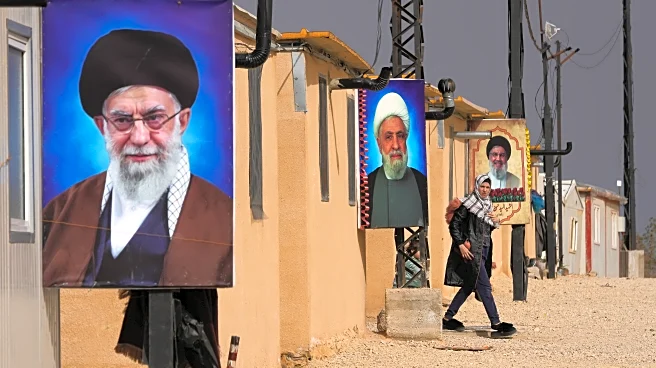
hours, focused on regional security issues, including the activities of Hezbollah, an Iranian proxy group. Netanyahu's visit to the U.S. included attending a New Year's Eve celebration at Mar-a-Lago, where he was the only foreign leader present. During discussions, President Trump authorized Netanyahu to take action against Hezbollah, emphasizing the need for the group to be disarmed. The Israeli Defense Forces (IDF) have conducted several strikes against Hezbollah targets in southern Lebanon, citing violations of ceasefire agreements.
Why It's Important?
The discussions between Netanyahu and President Trump underscore the strategic alliance between the U.S. and Israel, particularly in addressing threats posed by Iran and its proxies in the region. The authorization from President Trump for Israel to take action against Hezbollah highlights the U.S.'s support for Israel's security measures. This development could impact regional stability, as it may lead to increased military engagements in Lebanon. The situation also reflects the broader geopolitical dynamics involving U.S. foreign policy in the Middle East, particularly concerning Iran's influence and the security of Israel.
What's Next?
Following the meeting, further military actions by Israel against Hezbollah are likely, especially if ceasefire violations continue. The international community, including the United Nations, may respond to these developments, potentially calling for restraint and dialogue to prevent escalation. The U.S. and Israel may also engage in further diplomatic efforts to address the broader implications of Iran's activities in the region. Monitoring the situation in Lebanon and the responses from Hezbollah and Iran will be crucial in assessing future security dynamics.