


What's Happening?
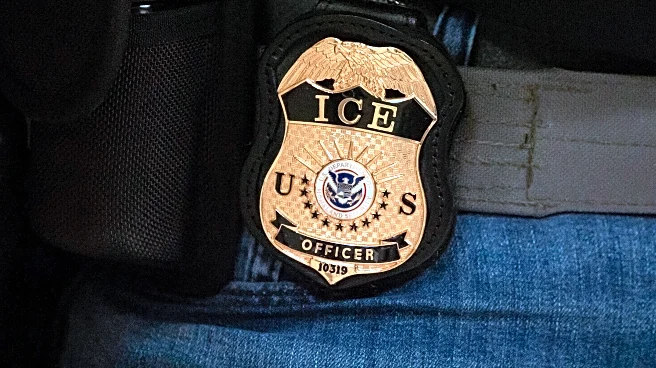
A federal jury has convicted nine individuals, eight on terrorism charges, in connection with a shooting at a Texas immigration facility. The incident, which occurred outside the Prairieland Detention Center near Fort Worth, was linked by federal prosecutors
to antifa, a decentralized far-left movement. The Justice Department described the event as an attack orchestrated by antifa operatives, although defense attorneys contested this characterization, arguing there were no antifa affiliations and that the incident began as a demonstration with fireworks. The trial, presided over by U.S. District Judge Mark Pittman, an appointee of President Trump, was closely watched as a potential test of the government's ability to prosecute protesters. FBI Director Kash Patel noted that this case marked the first time charges of providing material support to terrorists were used against individuals accused of being antifa members.
Why It's Important?
The convictions highlight the ongoing tension between the U.S. government and protest movements, particularly those associated with antifa. The case underscores the Trump administration's efforts to dismantle antifa, which it has labeled a domestic terrorist organization. The outcome could have significant implications for how protests are policed and prosecuted in the future, potentially affecting First Amendment rights. Critics argue that the case could set a precedent for criminalizing constitutionally protected protests, thereby increasing fear and discouraging public demonstrations. The trial also raises questions about the extent to which the government can link individuals to terrorism without clear organizational ties.
What's Next?
The convicted individuals face sentencing, with some potentially receiving up to 15 years in prison. The case may prompt further legal challenges and discussions about the balance between national security and civil liberties. It is likely to influence future government strategies in handling protest-related incidents and could lead to increased scrutiny of protest movements. Legal experts and civil rights organizations may continue to monitor and challenge similar cases to protect protest rights.
Beyond the Headlines
The trial has broader implications for the legal definition of terrorism and the rights of protestors. It highlights the challenges in prosecuting decentralized movements like antifa, which lack formal organizational structures. The case also reflects the political climate under the Trump administration, where protest movements are increasingly viewed through a national security lens. This development could lead to a reevaluation of how protest activities are classified and prosecuted in the U.S.