





What's Happening?
Malawi's health authorities have officially declared the end of the country's cholera and Mpox outbreaks. This declaration follows a period of more than 28 consecutive days without any laboratory-confirmed cholera cases and over 90 days without Mpox cases.
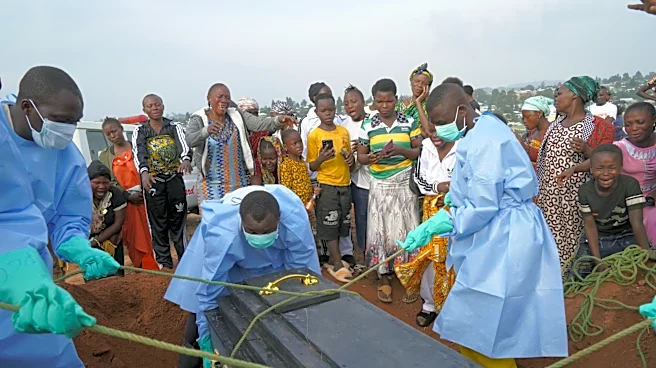
The successful containment is attributed to a nationwide public health response that involved health workers, volunteers, development partners, traditional and religious leaders, media, and communities. During the outbreaks, Malawi recorded a total of 3,200 cholera cases across 18 districts and 162 confirmed Mpox cases. The Ministry of Health emphasized that this achievement demonstrates the effectiveness of coordinated efforts in case detection, treatment provision, disease surveillance strengthening, and transmission prevention. Despite the declaration, communities are urged to maintain high standards of hygiene and report any suspected cases promptly to prevent future resurgences.
Why It's Important?
The successful containment of both cholera and Mpox outbreaks in Malawi highlights the critical role of robust public health infrastructure and community engagement in managing infectious diseases. This outcome provides a significant relief to the Malawian population, reducing the burden on its healthcare system and preventing further loss of life and economic disruption. The collaborative approach, involving various stakeholders from frontline health workers to community leaders, serves as a model for other nations facing similar public health challenges. For international health organizations and donor countries, this success story underscores the impact of sustained investment in health systems and preparedness measures. It also reinforces the importance of continuous surveillance and public health education to prevent future outbreaks, demonstrating that with concerted efforts, even severe epidemics can be brought under control.
What's Next?
Following the declaration, Malawian health authorities are expected to maintain vigilance through ongoing surveillance and preparedness measures. This includes prompt detection and response to any new suspected cases of cholera or Mpox. Public health campaigns will likely continue to emphasize personal and food hygiene, safe water consumption, and early medical attention for symptoms. The focus will shift towards strengthening the existing health systems to prevent future disease outbreaks, ensuring that the lessons learned from this successful containment are integrated into long-term public health strategies. Development partners and international organizations will likely continue to support Malawi in these efforts, potentially through funding for infrastructure improvements, training, and public health initiatives to build resilience against future health crises.
Beyond the Headlines
The eradication of these outbreaks in Malawi extends beyond immediate health benefits, offering broader implications for national development and stability. A healthier population is more productive, contributing to economic growth and reducing poverty. The success also builds public trust in government institutions and healthcare systems, which is crucial for effective governance and social cohesion. Furthermore, it demonstrates the potential for low-income countries to achieve significant public health victories with strategic planning and international cooperation. This achievement could serve as an inspiration and a practical guide for other nations grappling with similar health emergencies, emphasizing that sustained public participation and strong health systems are fundamental pillars for preventing and controlling infectious diseases on a global scale.