










What's Happening?
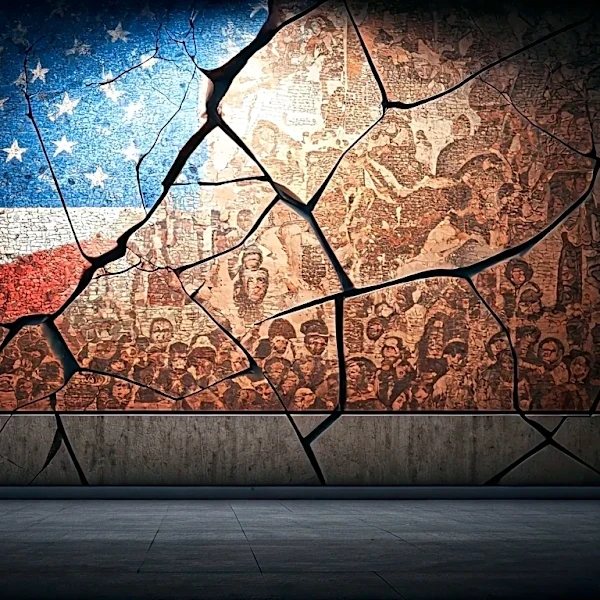
As the United States celebrates its 250th anniversary, discussions arise about who gets to tell the nation's story. The semiquincentennial has prompted reflections on America's history, with some criticizing the current administration's portrayal of patriotic
events. Critics argue that the official narrative, as presented in events like the 'Freedom 250' series, often excludes diverse perspectives and downplays historical injustices. Activists and historians emphasize the importance of acknowledging all aspects of American history, including the contributions and struggles of marginalized communities.
Why It's Important?
The debate over historical narratives during the 250th anniversary highlights ongoing tensions in American society regarding race, identity, and patriotism. How history is remembered and celebrated can influence national identity and public policy. The exclusion of certain narratives may perpetuate systemic inequalities and hinder efforts toward social justice. Conversely, inclusive storytelling can foster a more comprehensive understanding of the nation's past, promoting unity and progress. This discourse is crucial as it shapes how future generations perceive and engage with American history.
What's Next?
As the anniversary celebrations continue, there may be increased advocacy for more inclusive historical narratives. Educational institutions, cultural organizations, and community groups might collaborate to present diverse perspectives and challenge dominant narratives. Public discussions and events could provide platforms for underrepresented voices, encouraging broader participation in shaping the nation's story. The outcome of these efforts could impact future commemorations and the broader cultural landscape in the U.S.