







What's Happening?
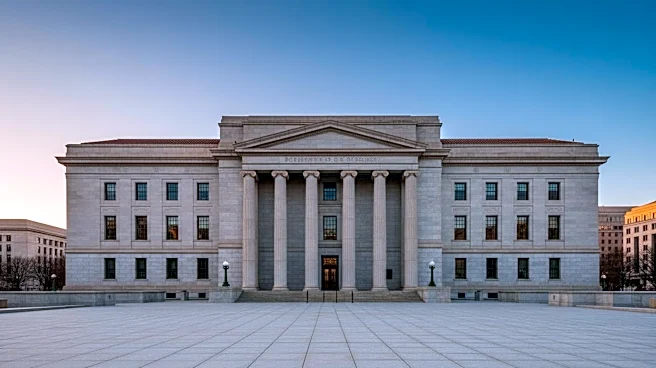
President Trump's Department of Justice (DOJ) has announced the deployment of federal election monitors to 15 jurisdictions across six states during the 2026 primary season. This move coincides with the DOJ's issuance of letters to election officials
nationwide, warning of potential criminal prosecution if noncitizens are knowingly retained on voter rolls or allowed to vote. Harmeet Dhillon, the chief of the DOJ's Civil Rights Division, stated that the monitors will be sent to jurisdictions in Arizona, Michigan, Massachusetts, Minnesota, New Hampshire, and Virginia. The DOJ's initiative is framed as a routine election monitoring effort, similar to past practices in 2022 and 2024. However, the announcement comes amid an aggressive campaign by the Trump administration targeting state election officials, particularly focusing on alleged illegal voting.
Why It's Important?
The deployment of election monitors by the DOJ is significant as it underscores the Trump administration's focus on election integrity and alleged illegal voting. This action could impact how elections are conducted in the monitored states, potentially influencing voter turnout and the administration of elections. The DOJ's warnings to election officials about noncitizen voting highlight ongoing tensions between federal and state authorities over election management. The initiative may also affect public confidence in the electoral process, as it raises questions about voter eligibility and the integrity of voter rolls. The response from state officials, particularly in states like Michigan, where leaders have expressed opposition, could further complicate the implementation of these monitoring efforts.
What's Next?
As the primary season progresses, the DOJ's monitoring program is expected to expand, with plans for a more extensive deployment of vote monitors during the general election. This expansion could lead to increased scrutiny of election processes and further legal challenges from states opposed to federal intervention. The DOJ's actions may prompt reactions from political leaders, civil rights groups, and voters, potentially influencing future policy discussions on election security and voter rights. The outcome of these monitoring efforts and any subsequent legal battles could shape the landscape of U.S. election administration in the coming years.