





What's Happening?
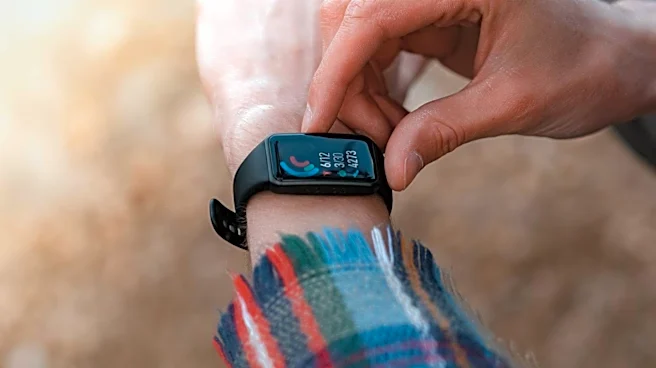
Nicole Shockley, APRN, CNP, a primary care provider with Aspirus Health, is advising caution regarding the interpretation of data from sleep-tracking devices. While nearly half of U.S. adults use such devices, Shockley emphasizes that these tools offer
valuable insights but do not provide a complete picture of an individual's sleep health. She notes that sleep trackers can be either too sensitive or not sensitive enough, and their measurements may not always align with a person's self-rated sleep quality. The phenomenon of 'orthosomnia,' an unhealthy fixation on achieving perfect sleep based on wearable device data, is a growing concern, as hyper-focusing on data can increase anxiety and stress, negatively impacting sleep. Shockley stresses that while trackers can identify long-term patterns, they cannot diagnose sleep disorders or replace medical evaluations. She recommends consulting a primary care provider if concerns arise from tracker data or persistent symptoms like chronic fatigue or loud snoring.
Why It's Important?
This advisory from Aspirus Health highlights a critical public health concern related to the widespread adoption of wearable technology. As sleep trackers become more sophisticated and prevalent, there's a growing risk of individuals misinterpreting data, leading to unnecessary anxiety or overlooking genuine medical conditions. The concept of orthosomnia underscores the psychological impact of data-driven self-monitoring, where the pursuit of 'perfect' metrics can paradoxically worsen the very condition it aims to improve. This situation has implications for healthcare providers, who must now navigate patient concerns often influenced by device data. It also emphasizes the importance of a balanced approach to health technology, where tools serve as aids rather than definitive diagnostic instruments, reinforcing the irreplaceable role of professional medical evaluation and advice in managing health.
What's Next?
Healthcare providers and technology developers will likely continue to address the challenges posed by sleep trackers. Medical professionals may increasingly educate patients on the limitations of these devices and how to interpret their data responsibly. There could be a push for clearer disclaimers and educational content within sleep-tracking apps themselves, guiding users on when to seek professional medical advice. Research into the psychological effects of self-tracking, particularly orthosomnia, may expand, leading to better strategies for mitigating negative impacts. Furthermore, the integration of sleep tracker data into clinical practice might evolve, with healthcare systems developing protocols for how this information can be effectively used as a supplementary tool rather than a primary diagnostic one. The ongoing dialogue between the tech industry and the medical community will be crucial in shaping the future of sleep health monitoring.
Beyond the Headlines
The discussion around sleep trackers and orthosomnia touches upon broader societal trends concerning self-quantification and the pursuit of optimization in daily life. In an era where data is increasingly accessible, there's a cultural inclination to measure and improve every aspect of personal well-being. This can lead to a 'tyranny of metrics,' where individuals feel compelled to conform to ideal data points, potentially overlooking subjective experiences and individual variations. The phenomenon also raises questions about digital health literacy and the ability of the general public to critically evaluate information provided by technology. Ethically, it prompts consideration of the responsibility of tech companies to design devices that promote genuine well-being rather than fostering anxiety through potentially misleading or oversimplified data. This situation underscores the need for a holistic view of health that integrates technological insights with professional expertise and personal intuition.