


What's Happening?
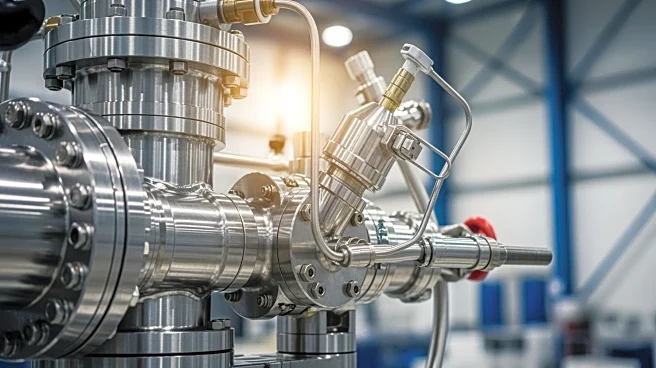
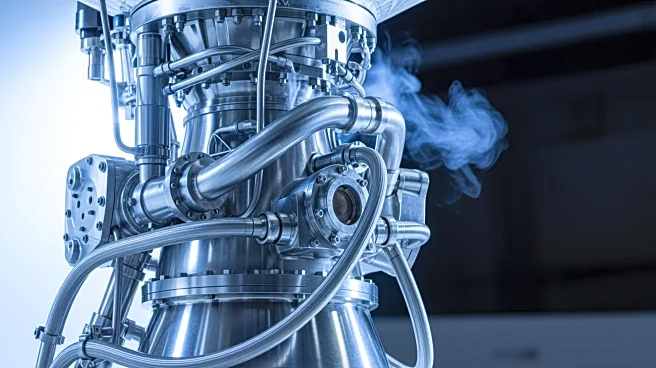
NASA has addressed technical issues that delayed the Artemis II mission, which aims to send astronauts to the Moon. The mission's rocket, the Space Launch System (SLS), was removed from its launch pad due to a helium flow problem in its upper stage. Engineers
identified a seal obstruction in the quick disconnect mechanism as the cause. The rocket was returned to the Vehicle Assembly Building (VAB) for repairs, where the issue was resolved by reassembling the system and validating the repairs with a reduced helium flow test. NASA is now preparing to move the rocket back to the launch pad at Kennedy Space Center in Florida.
Why It's Important?
The resolution of these technical issues is crucial for maintaining the timeline of the Artemis II mission, which is a key step in NASA's plan to return humans to the Moon. Successfully addressing these challenges demonstrates NASA's ability to manage complex engineering problems, which is essential for the success of future missions. The Artemis II mission is significant as it will be the first crewed mission in the Artemis program, paving the way for subsequent missions that aim to establish a sustainable human presence on the Moon. This mission also reinforces the United States' commitment to leading international efforts in space exploration.
What's Next?
With the technical issues resolved, NASA is preparing to move the SLS rocket back to the launch pad. The agency will conduct further tests to ensure the rocket is ready for launch. The Artemis II mission is scheduled to launch on April 1, and NASA will continue to monitor the rocket's systems closely to prevent any further delays. As the launch date approaches, NASA will also focus on finalizing preparations for the crew and ensuring all mission parameters are met. The success of Artemis II will set the stage for future Artemis missions, including the construction of a Moon base.