


What's Happening?
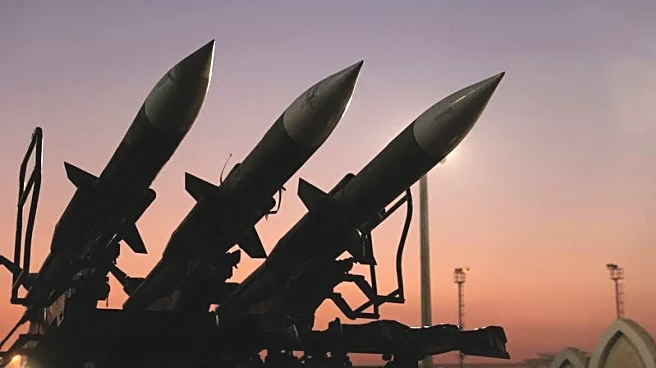
The ongoing conflict between the U.S.-Israel alliance and Iran has led to significant disruptions in global oil supplies, causing a notable increase in oil prices. As the conflict enters its sixth day, Iran has launched missile attacks on Israel, while
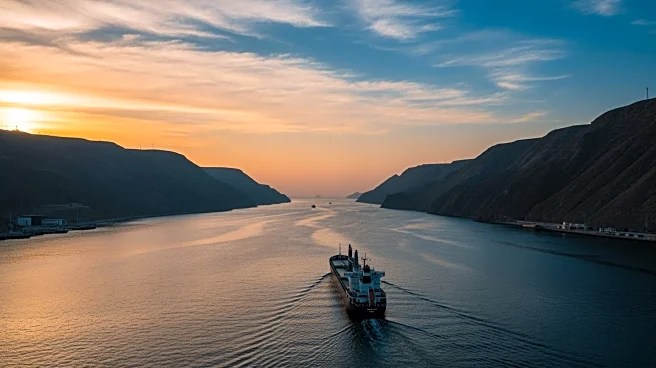
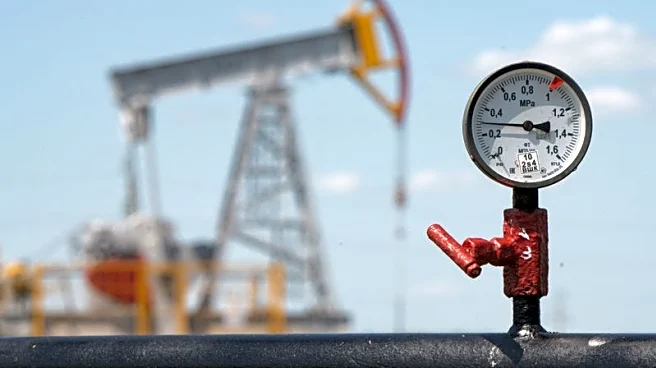
the U.S. has engaged in military actions against Iranian forces. These developments have resulted in heightened tensions and instability in the region, particularly affecting the Strait of Hormuz, a critical chokepoint for global oil transportation. The conflict has prompted major oil producers to cut production, with Brent crude prices rising by 2.9% to $83.75 per barrel and U.S. West Texas Intermediate crude increasing by 3.2% to $77.08. Additionally, the Chinese government has instructed its largest oil refiners to halt exports of diesel and gasoline, further tightening the oil market.
Why It's Important?
The escalation of conflict in the Middle East has significant implications for global energy markets and economic stability. The Strait of Hormuz is a vital passage for oil shipments, and disruptions there can lead to supply shortages and increased prices worldwide. Rising oil prices can contribute to inflationary pressures, affecting transportation costs and consumer prices across various sectors. The situation also underscores the geopolitical risks associated with energy dependence on volatile regions. Countries reliant on oil imports may face economic challenges, while oil-exporting nations could experience increased revenues. The conflict's impact on oil supply and prices highlights the need for diversified energy sources and strategies to mitigate geopolitical risks.
What's Next?
As the conflict continues, further disruptions in oil supply and price volatility are likely. Major stakeholders, including oil-producing countries and international organizations, may seek diplomatic solutions to stabilize the region and ensure the security of energy supplies. The situation may prompt discussions on alternative energy sources and strategies to reduce dependency on oil from conflict-prone areas. Additionally, countries may explore measures to manage inflationary pressures resulting from rising energy costs. The international community will closely monitor developments in the Middle East, with potential implications for global economic and political dynamics.