






What's Happening?
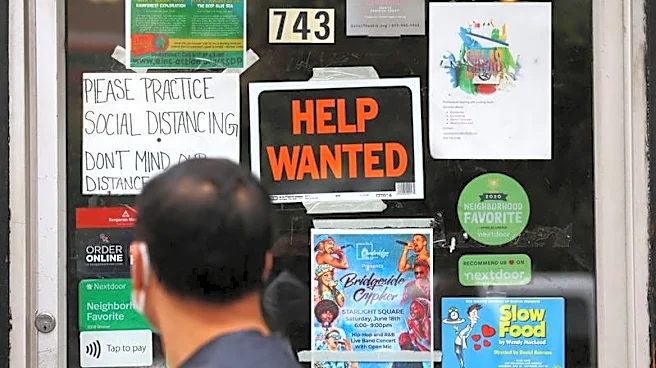
A new report by the West Health-Gallup Center on Healthcare in America reveals that nearly 25% of U.S. workers feel compelled to stay in their jobs primarily to retain their health insurance. This phenomenon, known as 'job lock,' has increased by 8 percentage
points since 2021. The survey, conducted between October and December of the previous year, highlights that the affordability of healthcare has reached a five-year low, with only 49% of Americans able to consistently afford it. The issue is particularly acute among those with medical debt, chronic conditions, and women. The expiration of pandemic-era premium tax credits for Affordable Care Act marketplace plans has further exacerbated the situation, leading to increased costs and reduced enrollment in these plans.
Why It's Important?
The report underscores a critical issue in the U.S. healthcare system, where access to affordable healthcare is closely tied to employment. This linkage can limit labor market mobility, reduce job satisfaction, and hinder economic efficiency. Workers may feel trapped in jobs that do not meet their personal or professional needs, impacting their quality of life and career progression. The rising costs of marketplace premiums and the reliance on employer-sponsored insurance highlight the need for policy interventions to decouple healthcare access from employment, potentially leading to more dynamic and efficient labor markets.
What's Next?
As marketplace premiums are expected to rise again in 2027, with a projected median increase of 14%, the pressure on workers to remain in jobs for insurance reasons may intensify. Policymakers might need to consider reforms that provide more affordable and accessible healthcare options outside of employment. This could involve revisiting the structure of the Affordable Care Act or introducing new measures to stabilize and reduce marketplace premiums. The ongoing debate around healthcare reform is likely to continue, with potential implications for both the labor market and the broader economy.